
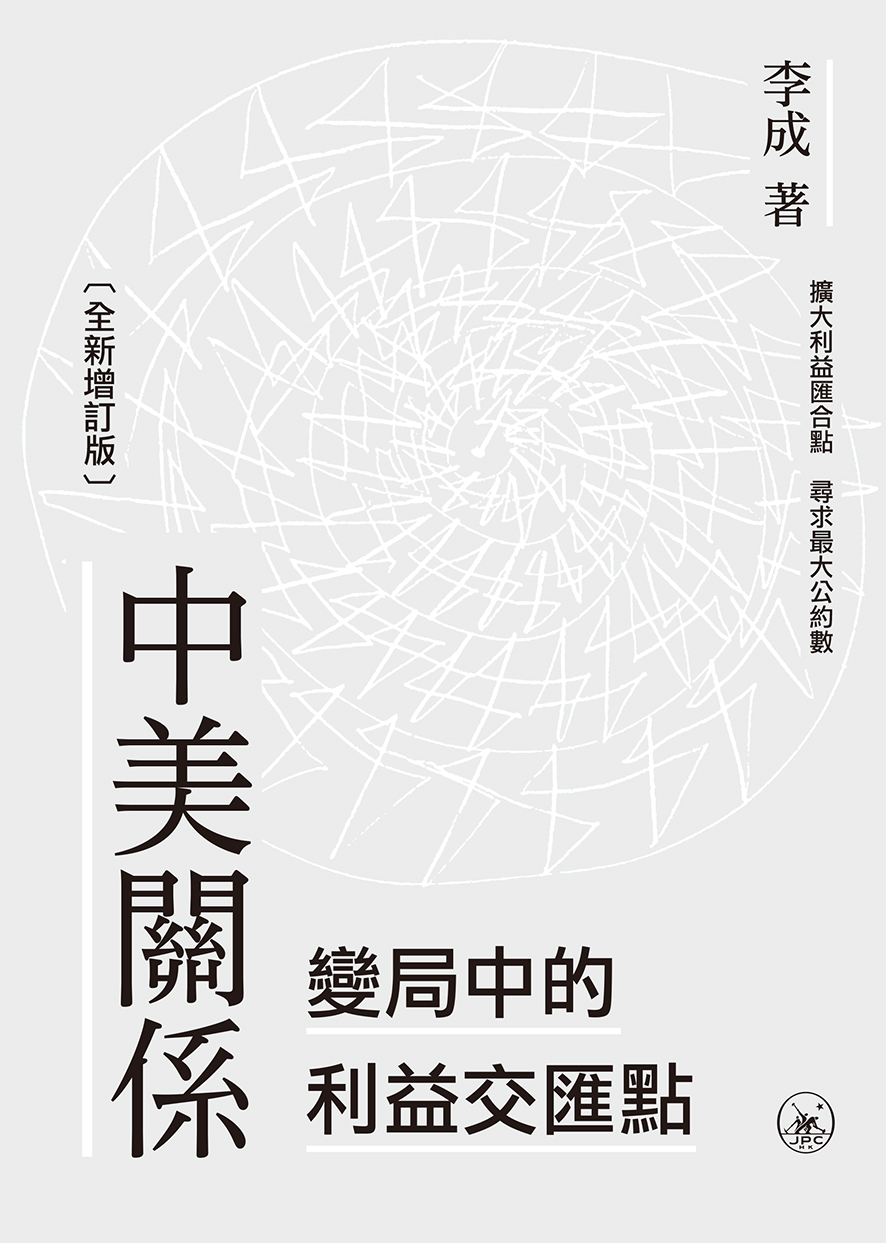
The world today stands at yet another crossroads between war and peace, polarization and coexistence, confrontation and cooperation. China and the United States are mutually reinforcing a climate of unease, resistance, and hardline stances, and their relationship is spiraling downward. As a scholar of Chinese descent who has long studied U.S.–China relations at Washington think tanks, Li Cheng not only offers a penetrating analysis of the United States’ internal fractures—spanning political, economic, social, and foreign policy challenges—but also situates U.S.–China relations within the fundamental transformations of the global economic, political, and security landscape, interpreting their evolution through the lens of an era of profound change.
At multiple levels and from multiple angles, this book demonstrates and responds to the importance of expanding the intersection of U.S. and Chinese interests amid a downturn in bilateral relations. Against the clamor in the West for “decoupling” and “severing supply chains,” the Chinese leadership’s emphasis on “expanding points of interest convergence” and “seeking the greatest common ground” has distinctive value. China needs to open up further, promote more U.S.–China people-to-people exchanges, place greater emphasis on seeking common ground while accommodating differences, and identify new drivers for people-to-people engagement and cooperation.