The School of Governance and Policy is pleased to announce career opportunities for motivated individuals in the field of governance and policy. Applications are now invited for Teaching Assistant (several posts) (Ref.: 536393), with the appointment commencing as soon as possible.
We welcome applications from candidates with a strong commitment to teaching excellence and student engagement. This is an opportunity to contribute to high-quality teaching and learning while supporting the development of future leaders in governance and policy. Join us in advancing impactful education in Hong Kong, Asia, and beyond.
Applicants should upload an up-to-date CV and a writing sample. Review of applications will begin as soon as possible and continue until the posts are filled.
Job details & application: https://bit.ly/3QbJLmC
Applications close: 22 June 2026
About Master of Governance and Policy
Master of Governance and Policy (MGP) is offered on a one-year, full-time basis. It prepares a rising generation of leaders to collaborate across government, business, and civil society to solve complex public challenges. Designed for a fast-changing geopolitical and economic landscape, the programme blends rigorous, evidence-based study with hands-on policy practice. By leveraging HKU’s strengths in social sciences, business and economics, and law, MGP develops a collaborative mindset, multidisciplinary fluency, and solution-oriented analytical skills.

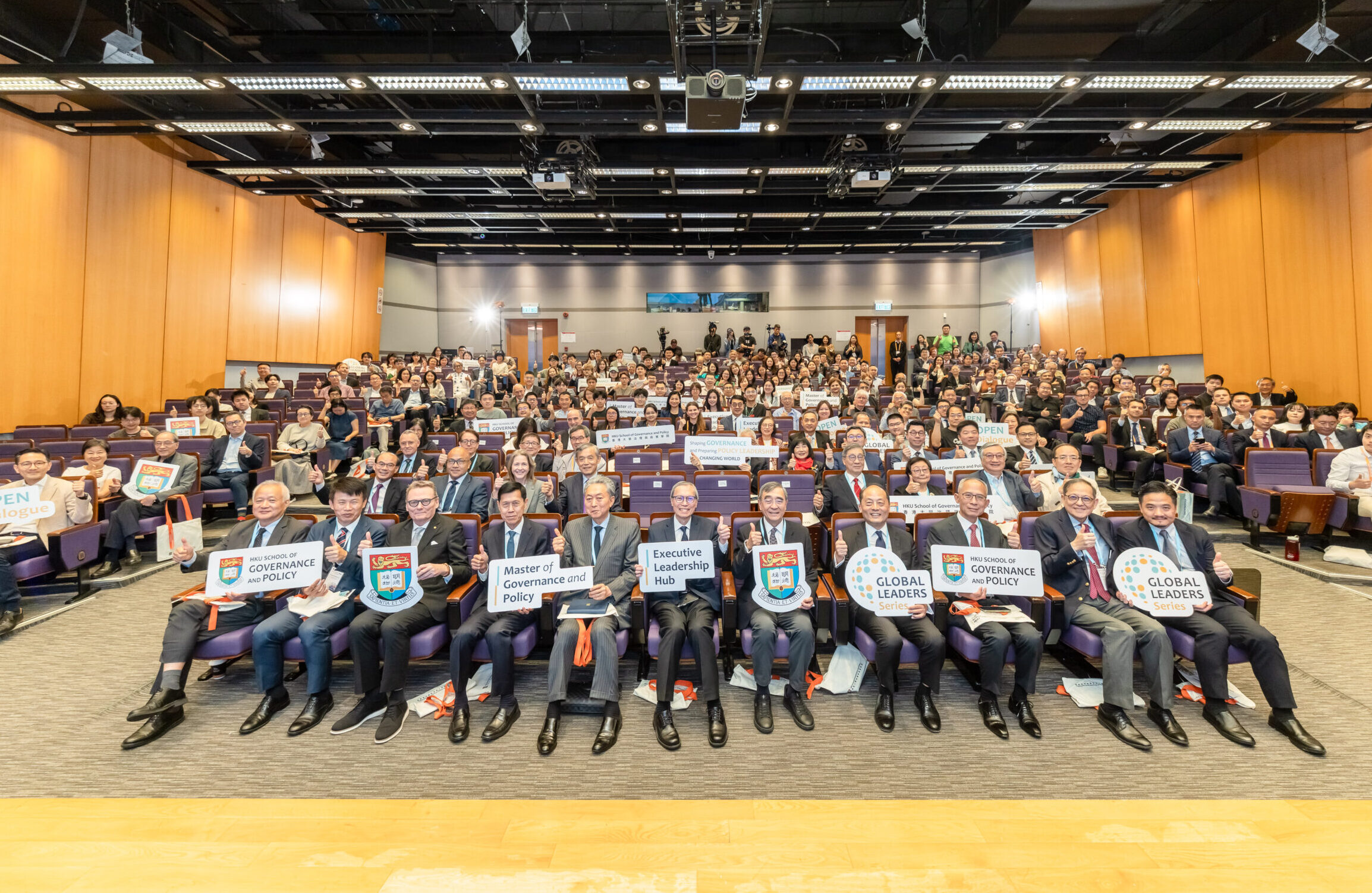
The School of Governance and Policy (SGP) at The University of Hong Kong (HKU) concluded its three-day Inaugural Week on 29 April, marking the launch of a premier intellectual hub dedicated to navigating the most complex regional and international governance challenges of our time. The landmark event convened world-renowned scholars including a 2024 Nobel Laureate, former heads of government, and industry pioneers, drawing over 900 attendees to the HKU campus.
Professor Xiang Zhang, President and Vice-Chancellor of HKU, stated, “At a juncture where rapid technological leaps are reshaping our world, the establishment of the School of Governance and Policy reaffirms the essential role of the humanities in the future. Governance is not a mechanical process; it is a weight of responsibility that demands historical depth, ethical clarity, and a profound understanding of the mankind. By uniting academic insight with real-world action, we are shaping a new legacy of leadership that ensures our collective advancements always serve the true progress and fundamental well-being of the global community.”
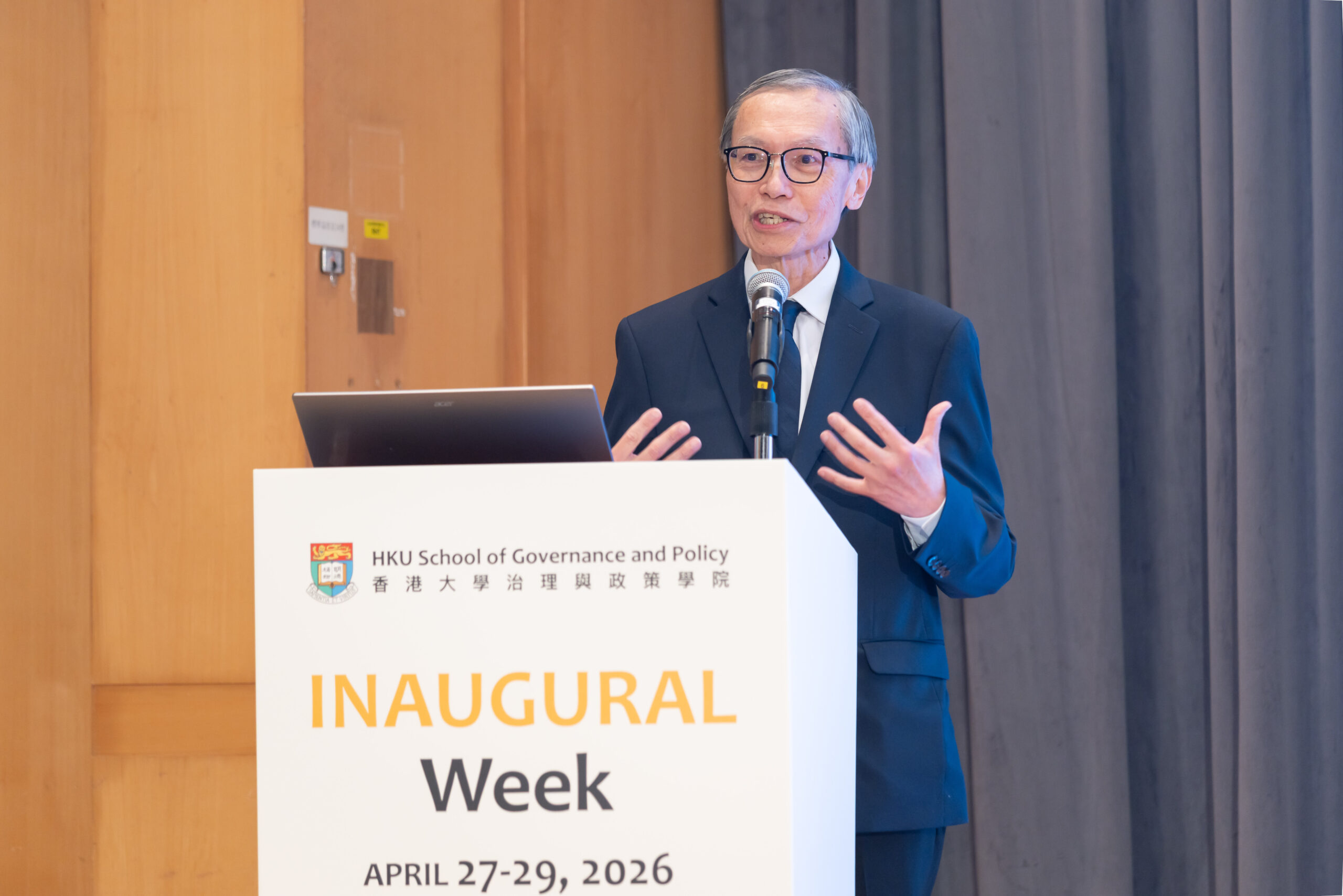
Professor Kenneth Wong, Director of the School of Governance and Policy and Kerry Group Professor in Public Policy, unveiled the School’s strategic trajectory during the inaugural ceremony. Positioned at the vital intersection of the public, private, and non-profit sectors, the School’s vision is guided by an International Advisory Board of elite leaders, including Nobel Laureates James J. Heckman and James Robinson, and former heads of state Dr Yukio Hatoyama and Mr Phongthep Thepkanjana. This collective expertise drives SGP’s five core research pillars—spanning global governance, urban policy, and leadership—which serve as the foundation for its academic programs. These include the interdisciplinary Master of Governance and Policy (launching September 2026), an Executive Leadership Hub, and specialised policy institutes designed for undergraduates.
“Our mission is to establish SGP as Asia’s leading hub for global governance and policy leadership,” said Professor Wong. “By leveraging our unique cross-disciplinary edge, we provide a platform for evidence-based policy innovation in a multipolar world, fostering collaborative solutions that unite nations and communities.”
The intellectual depth of the School was highlighted by the keynote address of Professor James Robinson, 2024 Nobel Laureate in Economics. Professor Robinson observed that the SGP is uniquely positioned to demonstrate how the East Asian development experience has redefined -conventional social science intuitions. He noted that recognising cultural nuances is not only essential for effective public policy but represents one of the most exciting frontiers in modern social research.
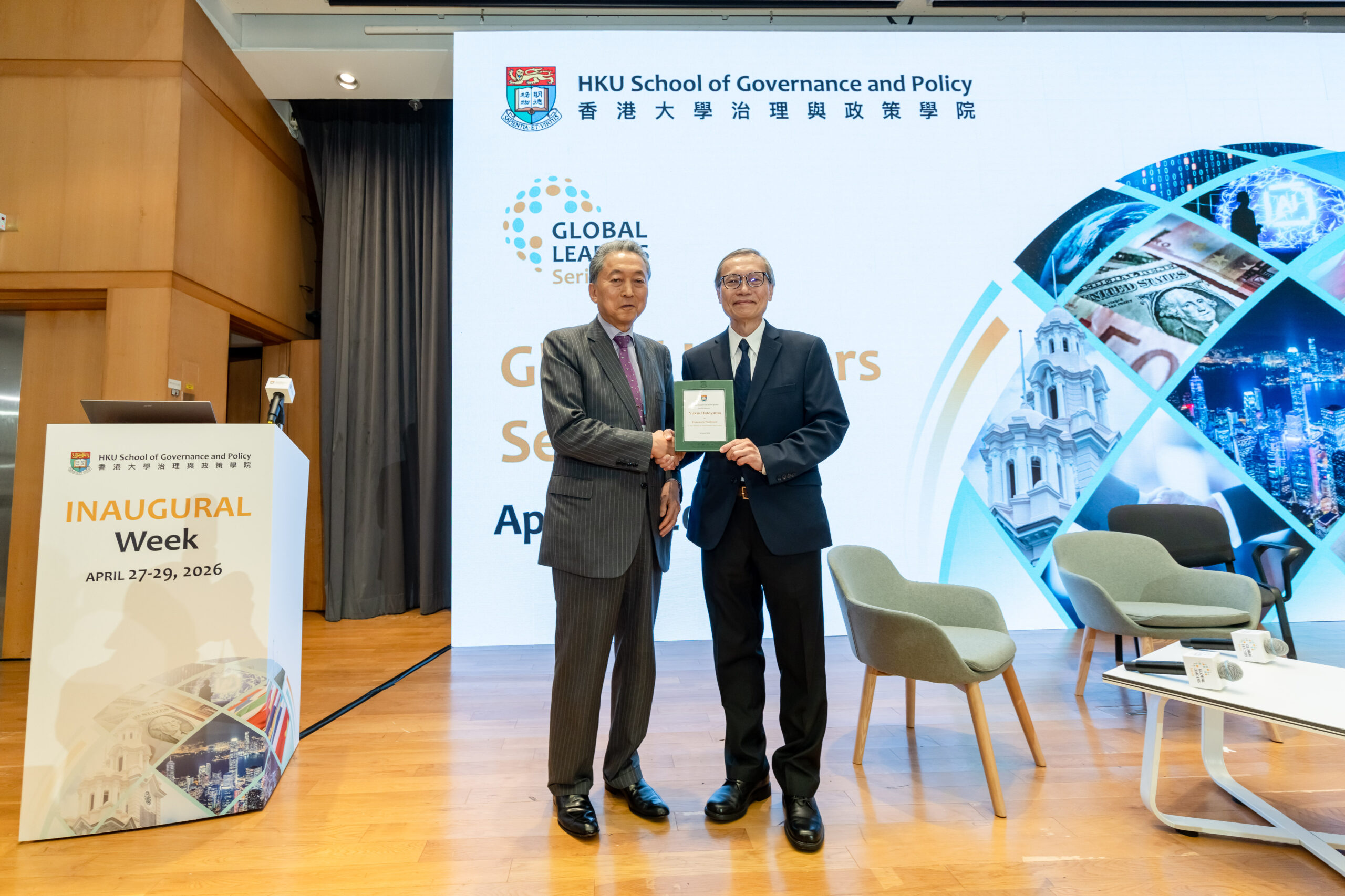
A centrepiece of the week was the launch of the Global Leaders Series, featuring an address by Dr Yukio Hatoyama, who was conferred an honorary professorship during the event. Discussing “The Future of Sino-Japanese Relations Amid a Cracking World Order,” Dr Hatoyama emphasised that the stability of East Asia is a linchpin for international security. He urged for renewed diplomatic stewardship to halt global instability and foster regional cooperation.
The comprehensive inaugural programme also featured high-level panel discussions and lectures from esteemed academic leaders, including Professor Joseph Liow, Dean of the Lee Kuan Yew School of Public Policy at NUS; Professor Lan Xue, Dean of Schwarzman College at Tsinghua University; and Professor Carole Roan Gresenz, Dean of the McCourt School of Public Policy at Georgetown University, alongside Mr Phongthep Thepkanjana, former Deputy Prime Minister of Thailand.
As the Inaugural Week draws to a close, the School of Governance and Policy begins its mission to serve as a world-class intellectual powerhouse. By cultivating a new generation of leaders and scholars committed to excellence, SGP stands ready to contribute to the betterment of global governance and the enduring advancement of society.
(Credit: The University of Hong Kong)

The School of Governance and Policy invites applications is pleased to announce a career opportunity for outstanding scholars in the field of global governance and institutions. Applications are now invited for the position of Tenure-track Assistant Professor (Ref.: 534414), with the appointment commencing as soon as possible.
We welcome applications from scholars with a strong commitment to academic excellence and impactful research. Join us in shaping the future of governance and policy in Hong Kong, Asia, and beyond.
Application deadline: 6 May 2026
About the School of Governance and Policy
Established in 2025, HKU School of Governance and Policy (SGP) is jointly allocated to the Faculty of Social Sciences, the Faculty of Business and Economics, and the Faculty of Law. Bringing together the Asia Global Institute and the Centre on Contemporary China and the World under one umbrella, SGP is dedicated to advancing excellence in global governance and policy analysis, strategically positioned at the intersection of the public, non-profit, and private sectors. By uniting leading scholars, practitioners, and students, SGP addresses complex regional and global challenges through innovative, evidence-informed solutions.

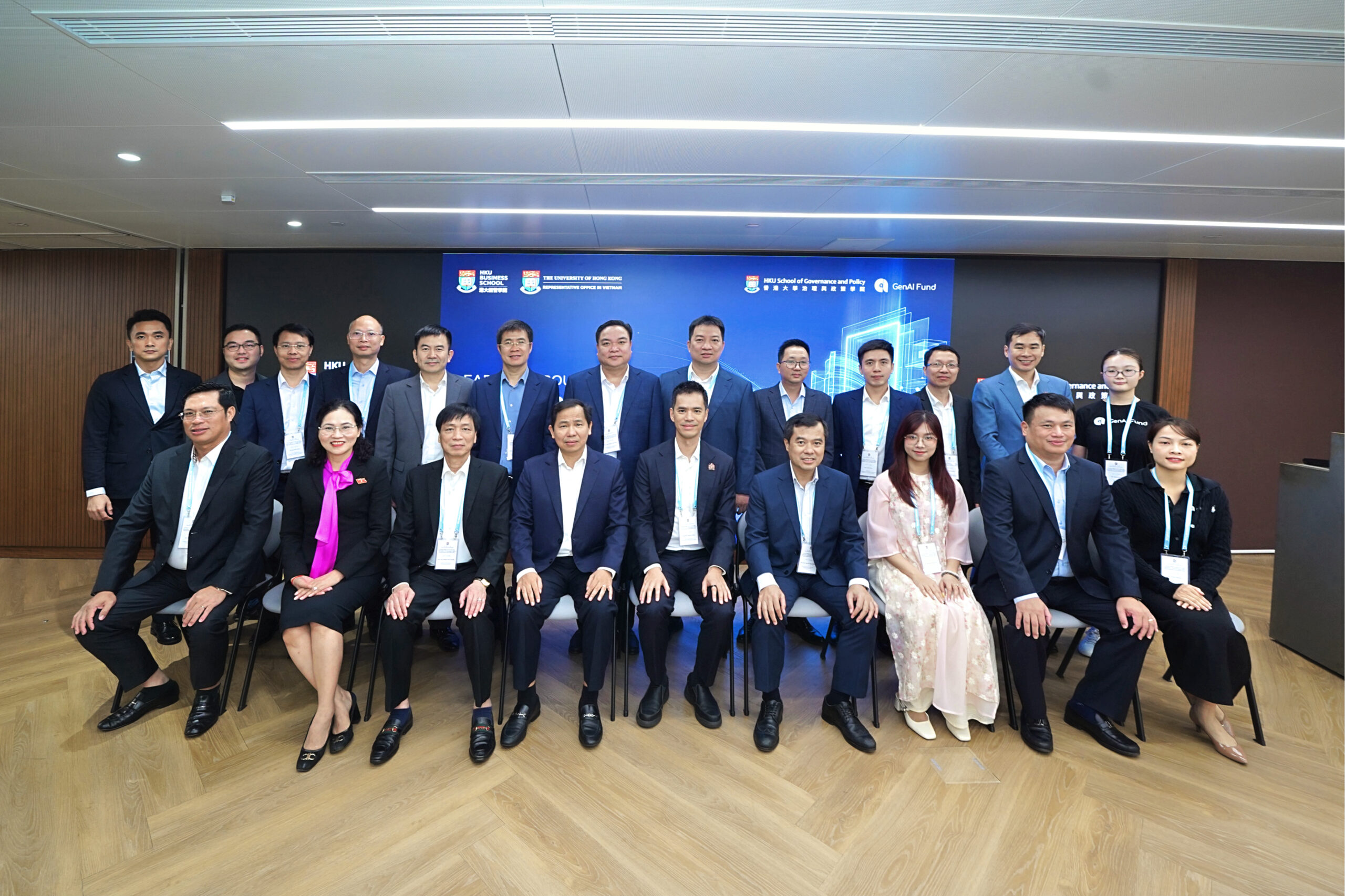
The HKU School of Governance and Policy (SGP), HKU Business School and GenAI Fund signed a Memorandum of Understanding (MoU) on January 13, 2026, to establish a strategic partnership aimed at advancing governance, leadership, and innovation capacity in Vietnam.
The signing ceremony took place during the “HKU Reception in Vietnam 2026.” The MoU was signed by Professor Kenneth Wong, Director of HKU SGP; Professor Quang Tuan Phan, Chief of the Representative Office of HKU in Vietnam; and Mr. Kai Yong Kang, Partner at GenAI Fund. The signing was witnessed by Professor Jay Siegel, HKU Vice-President and Vice-Chancellor (Teaching and Learning); Mr. Adrian Chan, Executive Director of Executive Education at HKU Business School; and Dr. Hai Nguyen, Deputy Director of the Representative Office of HKU in Vietnam.
Under the MoU, HKU SGP, HKU Business School, and GenAI Fund will collaborate to jointly deliver executive training programmes, undertake applied research initiatives, and support governance and policy capacity-building in Vietnam. These efforts aim to strengthen talent development, foster innovation, and promote sustainable partnerships across sectors.
Professor Kenneth Wong, Director of HKU SGP, stated, “Established in 2025, SGP is committed to advancing excellence in global governance and policy analysis. We bring together scholars, practitioners, and students to address complex challenges with evidence-based solutions. This partnership with GenAI Fund allows us to co-develop leadership and AI governance programmes tailored to the evolving needs of Vietnamese policymakers, supporting a resilient and innovative future for the region.”
About GenAI Fund
Headquartered in Singapore, GenAI Fund is Southeast Asia’s first AI-focused venture capital and innovation platform dedicated to accelerating generative AI adoption and scaling AI-centric technology companies. GenAI Fund provides capital, operational support, and strategic partnerships to drive enterprise innovation and AI transformation across ASEAN.

HKU School of Governance and Policy is pleased to announced the remarkable achievements of Professor Kenneth Wong, Director of the School, on the conferment of The Kerry Group Professorship in Public Policy at the 14th Inauguration of Endowed Professorships.
Professor Wong previously held the position of Walter and Leonore Annenberg Professor of Education Policy, Professor of Political Science, and Professor of International and Public Affairs at Brown University, USA. He has also served on the faculties of the University of Chicago and Vanderbilt University. In addition, he is a non-resident Senior Fellow in Governance Studies at the Brookings Institution in Washington, DC, and an elected Fellow of the National Academy of Public Administration in the United States.
Professor Wong’s extensive research focuses on public policy, intergovernmental relations, and education governance. His work has been supported by the National Science Foundation, the Institute of Education Sciences, Bloomberg Philanthropies, the British Council, the Japan Society for the Promotion of Science, and several other foundations. He has authored or co-authored numerous books, including The Education Mayor: Improving America’s Schools. His co-authored book on the administrative presidency and federalism in the U.S. received the Outstanding Book Award from the National Academy of Public Administration. He is currently editing a research handbook on education policy and federalism worldwide.
This conferment recognises Professor Wong’s years of dedication to research and academic development, and will further empower his leadership and contributions to the field.
About Endowed Professorship
Since its inception in 2005, HKU has established over 130 Endowed Professorships. An Endowed Professorship is among the most prestigious honours granted to distinguished academics at the University, supporting their academic and research endeavours.
To learn more, please visit: https://giving.hku.hk/givingtohku/endowed-professorships

HKU School of Governance and Policy (SGP) featured Professor James Robinson, renowned economist and political scientist, as a speaker in the Global Leaders Series during the Inaugural Week on 28 April 2026 at the Rayson Huang Theatre, The University of Hong Kong. His lecture, titled The Future of Nations: How Economic and Political Institutions Contribute to Growth and Progress, aims to examine key issues shaping economic development and governance. The session was moderated by Professor Kenneth Wong, Director and Kerry Group Professor in Public Policy, School of Governance and Policy, with commentary by Professor Xiaodong Zhu, Chair of Economics, HKU Business School.
Professor Robinson explored the historical foundations of economic growth, emphasising the role of political and institutional structures in shaping long-term development. Drawing on examples from different civilisations, he highlighted how institutional change can both enable progress and contribute to decline. He also discussed the importance of inclusive systems in sustaining innovation and improving living standards over time.
The lecture was followed by a Q&A session, where participants addressed questions to Professor Robinson on issues including institutional reform, comparative development approaches, and the outlook for global economic growth. The discussion facilitated meaningful dialogue and encouraged deeper reflection on contemporary governance issues.
Abstract
For millennia human welfare was unchanged. Societies rose, but then fell. Life expectancy hardly altered. Life was nasty, brutish and short. But beginning around 300 years ago a new trend emerged which has spread to most corners of the world and radically transformed human society. Why did it happen? How can it be sustained? Does the fact that our rise has been much bigger than in the past only mean that the fall will be steeper? Have we understood the way to make sure that this time it is different?
About Global Leaders Series
The Global Leaders Series is the flagship initiative of HKU School of Governance and Policy, dedicated to bringing eminent global leaders, policymakers, and thinkers to the University of Hong Kong for public dialogue, student engagement, and policy exchange. By hosting former heads of state, Nobel laureates, leaders of international organizations, and renowned experts from across the globe, the Series provides a dynamic platform for academics, policymakers, practitioners, and the wider community to address the most pressing societal challenges of our time.

HKU School of Governance and Policy (SGP) hosted the Honourable Mr. Phongthep Thepkanjana, former Deputy Prime Minister of Thailand, as a speaker in the Global Leaders Series during the Inaugural Week on 29 April 2026 at the Senate Room, The University of Hong Kong. His lecture, titled Transnational Scams and the Digital‑Age Death Penalty Debate, has explored the growing challenges posed by digital-era crime. The session was moderated by Professor Kenneth Wong, Director and Kerry Group Professor in Public Policy, School of Governance and Policy, with commentary by Professor Cheng Li, Professor, School of Governance and Policy; Founding Director, Centre on Contemporary China and the World.
Mr. Thepkanjana explored how technological advances have transformed traditional fraud into an increasingly complex transnational industry. He highlighted the scale and sophistication of contemporary scam networks, which operate across jurisdictions and exploit regulatory gaps, weak governance, and global financial systems. He noted that such crimes not only generate significant financial loss but also undermine institutional trust and cause long-term psychological harm to victims.
The lecture concluded with a Q&A session, in which participants engaged with Mr. Thepkanjana on matters such as cross-border enforcement, financial regulation, and the role of punitive measures. The exchange supported informed discussion and highlighted key considerations for strengthening international cooperation in addressing transnational crime.
Abstract
The rapid expansion of digital technology has enabled scam crime to evolve into a sophisticated transnational threat with profound economic, social, and governance implications. This lecture will examine the structural transformation of contemporary scam networks, focusing on their cross-border operations, increasing industrialization, adoption of emerging technologies, and ability to exploit regulatory and legal gaps across jurisdictions. It will also explore the need for comprehensive policy responses, including stronger international cooperation, enhanced financial intelligence and asset-tracing capabilities, greater regulatory accountability for digital platforms, and improved public digital literacy.
In light of recent cases in which certain offenders have received capital punishment, the speaker will draw on personal experience from his tenure in both the judiciary and political office to revisit the debate on the role of capital punishment. The lecture will consider broader issues of justice, deterrence, policy effectiveness, and the evolving landscape of international legal norms.
About Global Leaders Series
The Global Leaders Series is the flagship initiative of HKU School of Governance and Policy, dedicated to bringing eminent global leaders, policymakers, and thinkers to the University of Hong Kong for public dialogue, student engagement, and policy exchange. By hosting former heads of state, Nobel laureates, leaders of international organizations, and renowned experts from across the globe, the Series provides a dynamic platform for academics, policymakers, practitioners, and the wider community to address the most pressing societal challenges of our time.

HKU School of Governance and Policy (SGP) invited Dr. Yukio Hatoyama, former Prime Minister of Japan, to be one of the speakers of the Global Leaders Series during the Inaugural Week on 28 April 2026 at the Rayson Huang Theatre, The University of Hong Kong. His lecture, “The Future of Sino‑Japanese Relations Amid a Changing World Order”, brought together students, scholars and practitioners to engage with critical issues shaping global governance and regional dynamics. The session was moderated by Professor Kenneth Wong, Director and Kerry Group Professor in Public Policy, School of Governance and Policy, commentary by Professor Heiwai Tang, Associate Vice‑President (Global); Associate Dean of HKU Business School; Director of Asia Global Institute.
Dr. Hatoyama examined the evolving international order and the strategic importance of Sino‑Japanese relations. He highlighted the growing instability of the global system, indicating that we are currently facing great challenges since World War II. He emphasised that East Asia remains central to global stability and underscored the need for dialogue, cooperation, and mutual understanding to sustain regional peace.
The lecture concluded with an interactive Q&A session, during which participants posed questions to Dr. Hatoyama on topics such as regional security, economic interdependence, and the future of multilateral cooperation. The exchange reflected strong audience engagement and prompted considered discussion on policy challenges within an increasingly complex global environment.
Abstract
From the high-intensity wars raging in Ukraine and the Middle East, to the abduction of the Venezuelan president, and the tariff wars that completely disregard free trade, we are currently witnessing intense upheaval that suggests the world order is on the verge of collapse. East Asia, too, cannot remain untouched by these shifts. It is my firm belief that the state of relations between Japan and China will significantly influence the speed and extent to which the cracks in the world order spread to East Asia. In this lecture, I will discuss the outlook for Japan-China relations from this perspective. By carefully managing Japan-China relations, we must safeguard peace and stability in East Asia and, by extension, halt the progression of the cracks in the world order.
About Global Leaders Series
The Global Leaders Series is the flagship initiative of HKU School of Governance and Policy, dedicated to bringing eminent global leaders, policymakers, and thinkers to the University of Hong Kong for public dialogue, student engagement, and policy exchange. By hosting former heads of state, Nobel laureates, leaders of international organizations, and renowned experts from across the globe, the Series provides a dynamic platform for academics, policymakers, practitioners, and the wider community to address the most pressing societal challenges of our time.

This event is co-hosted with Philip K.H. Wong Centre for Chinese Law (CCL) in the Faculty of Law, School of Governance and Policy (SGP), Centre on Contemporary China and the World (CCCW) and Department of Philosophy of The University of Hong Kong.
On Law and Ritual: Or, How Best to Combat Corruption?
Date & Time: April 30, 2026 (Thursday) 16:00-17:30
Venue: Academic Conference Room, 11/F Cheng Yu Tung Tower, The University of Hong Kong
Language: English
(In-person Event)

HKU School of Governance and Policy is delighted to announce the Inaugural Week of the HKU School of Governance and Policy, taking place from 27 to 29 April 2026. As a key part of the celebrations, we invite you to join our Open Dialogues on Global Policy Challenges and Solutions on 29 April, where leading scholars will address some of the most pressing issues facing our region and the world.
Open Dialogues & Global Leaders Series – Event Highlights
29 April 2026 | Senate Room, 10/F Knowles Building
• 11:00 – 12:15 | Open Dialogue on Global Policy Challenge and Solutions
Southeast Asia Between the Superpowers: The Dilemma of Choice
Speaker: Professor Joseph Liow Chinyong
(Dean and Wang Gungwu Professor in East Asian Affairs, Lee Kuan Yew School of Public Policy, National University of Singapore)
• 15:00 – 16:15 | Open Dialogue on Global Policy Challenge and Solutions
Cognitive Health, Household Financial Decision-Making & Intrahousehold Financial Spillovers
Speaker: Professor Carole Roan Gresenz
(Dean, McCourt School of Public Policy, Georgetown University)
• 16:45 – 18:00 | Global Leaders Series
Transnational Scams and the Digital-Age Death Penalty Debate
Speaker: Mr. Phongthep Thepkanjana (Former Deputy Prime Minister of Thailand)
The Inaugural Week will also feature the Inaugural Ceremony and Global Leaders Series on 27 & 28 April 2026:
Inaugural Week – Highlights:
27 April 2026 | Inaugural Ceremony
• 16:00 – 18:15
o Official announcement of the establishment of the HKU School of Governance and Policy
o Keynote Speech by Professor James Robinson, 2024 Nobel Laureate in Economics
o Panel Discussion: “Beyond Borders: Policy Innovation and Collaboration in a Multipolar World,” featuring deans from the National University of Singapore, Tsinghua University, and Georgetown University
28 April 2026 | Global Leaders Series
• 16:30 – 17:30
The Future of Sino-Japanese Relations Amid a Cracking World Order
Speaker: Dr. Yukio Hatoyama (Former Prime Minister of Japan)
• 18:00 – 19:30
The Future of Nations: How Economic and Political Institutions Contribute to Growth and Progress
Speaker: Professor James Robinson (Nobel Laureate in Economics, 2024; Professor, Harris School of Public Policy and Department of Political Sciences, The University of Chicago)
Don’t miss this unique opportunity to engage with world-renowned leaders and experts, discuss pressing policy challenges, and be part of HKU’s newest academic milestone.
For programme and registration details, please visit: https://sgp.hku.hk/2026-inaugural-week
Enquiries: sgpinfo@hku.hk
Stay connected with us for the latest updates:
Facebook | Instagram | LinkedIn | YouTube | WeChat

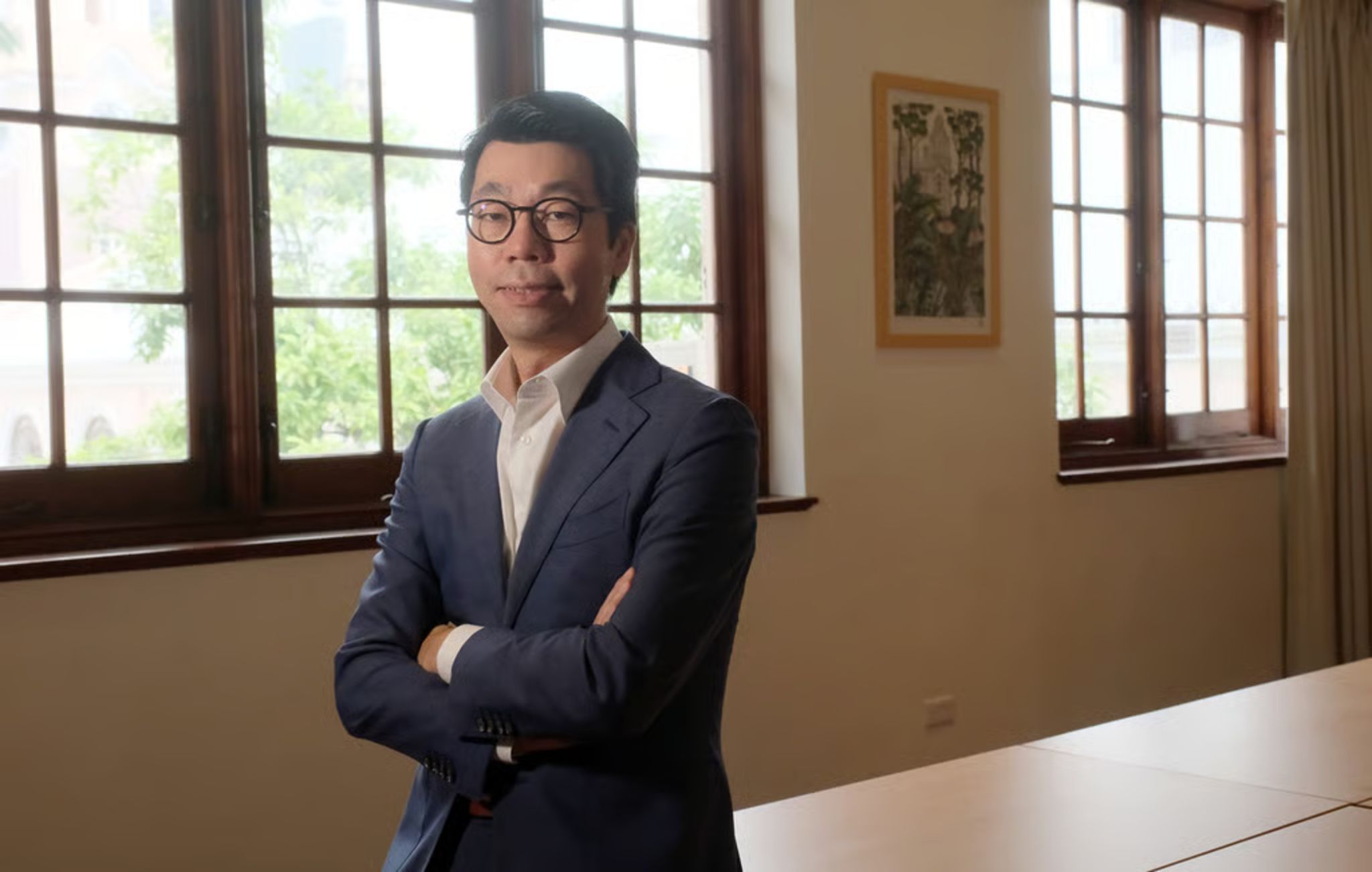
Professor Kenneth Wong, Director of School of Governance and Policy at the University of Hong Kong, recently shared his insights with China Daily on Hong Kong’s evolving role in regional development. He highlighted the significance of strengthening cross-regional collaboration, particularly through initiatives connecting Hong Kong with Central Asia, and emphasised the city’s unique position as a bridge between the Mainland and the global community.

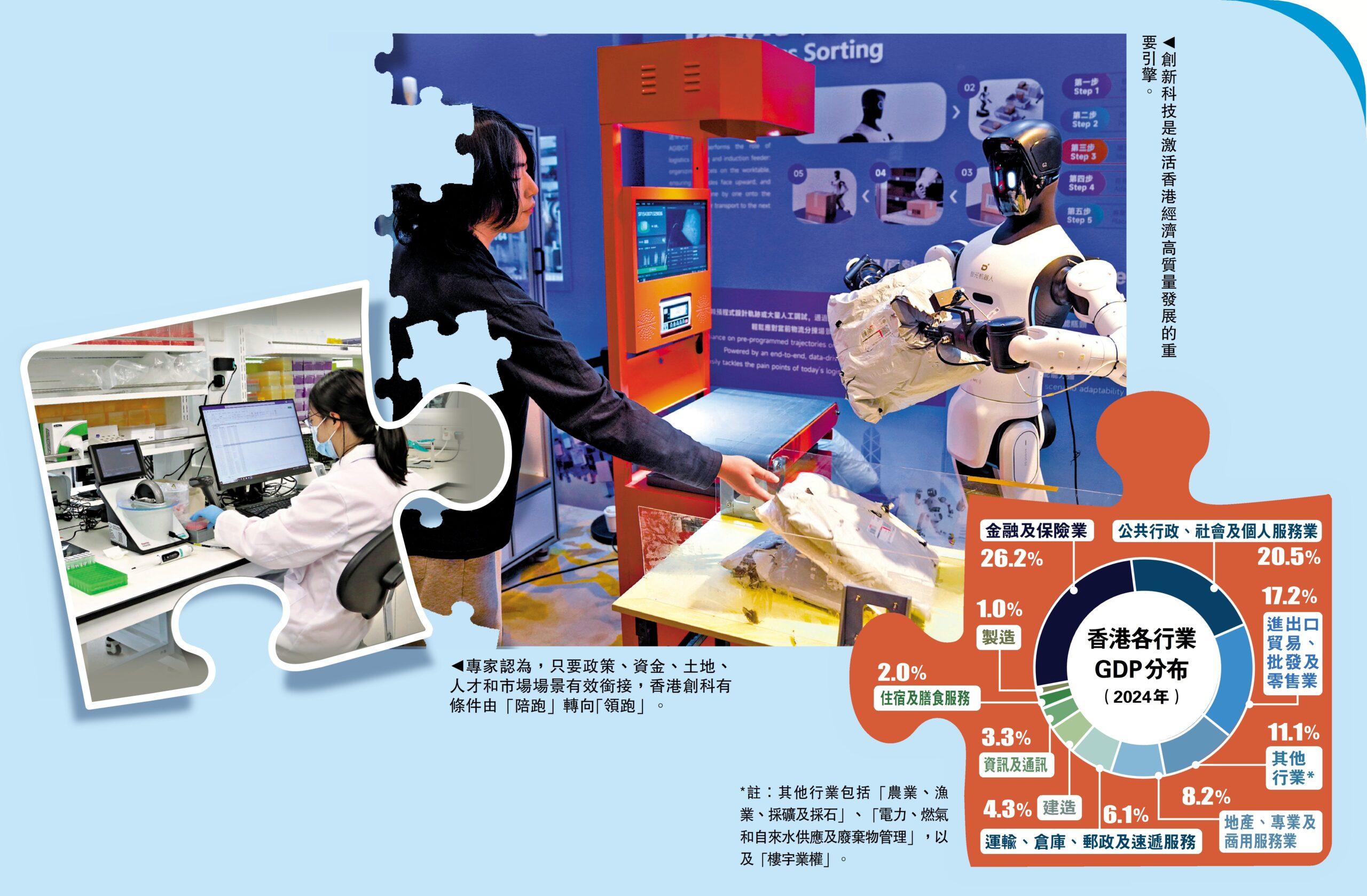
Hong Kong should actively promote intellectual property (IP) investment to drive economic development and leverage its unique strengths to support industrial production across the Greater Bay Area (GBA) and ASEAN regions, while maintaining its distinct institutional advantages over mainland cities, an economics professor said on Sunday.
Professor Heiwai Tang, Associate Vice-President of HKU Business School and Professor (by-courtesy) at School of Governance and Policy, made the remarks following a recent report titled Hong Kong’s Next Growth Pathway published by a local think tank, the 22 Foundation.

In a recent South China Morning Post opinion piece, the idea of the “Thucydides Trap” is revisited amid China’s rise. Featuring Professor Daniel Bell, Chair of Political Theory at HKU School of Governance and Policy, the interview explores whether China may challenge the assumption that great-power rivalry inevitably leads to conflict—and potentially turn this theory on its head.

Professor Li Cheng, professor of the HKU School of Governance and Policy, noted in his analysis of the meeting that the most important value of a leaders’ summit lies in preventing a “free fall” in China–US relations.

Political scientist Li Cheng says the meetings have importance but they can’t tackle the fundamentals.