
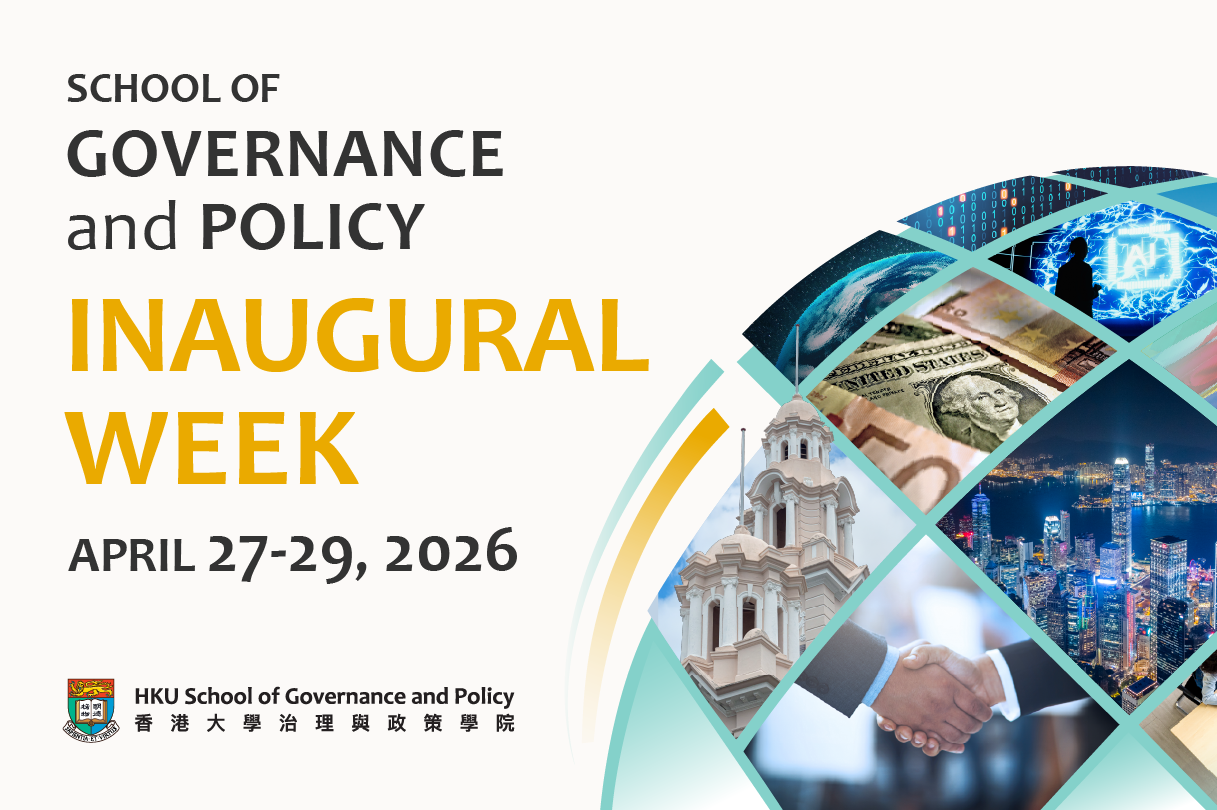
The Inaugural Week of the HKU School of Governance and Policy (SGP) represents a significant step forward in advancing governance and policy innovation in Hong Kong, Asia, and globally. Over three days of dynamic programming, thought leaders, scholars, and practitioners from around the world will convene at SGP to address complex regional and global challenges.
Following the Inaugural Ceremony, the Global Leaders Series will bring together renowned policymakers and academics to share their perspectives on the shifting landscape of governance, economics, and global cooperation. Complementing these sessions, the Open Dialogues on Global Policy Challenges and Solutions will cultivate multidisciplinary and collaborative approaches to tackling transnational issues. Together, these flagship events embody SGP’s commitment to fostering collaborative mindsets, policy innovation, and open dialogue in a rapidly changing world.
16:00 – 18:15, Rayson Huang Theatre, The University of Hong Kong
16:00 – 16:05
Welcoming Remark
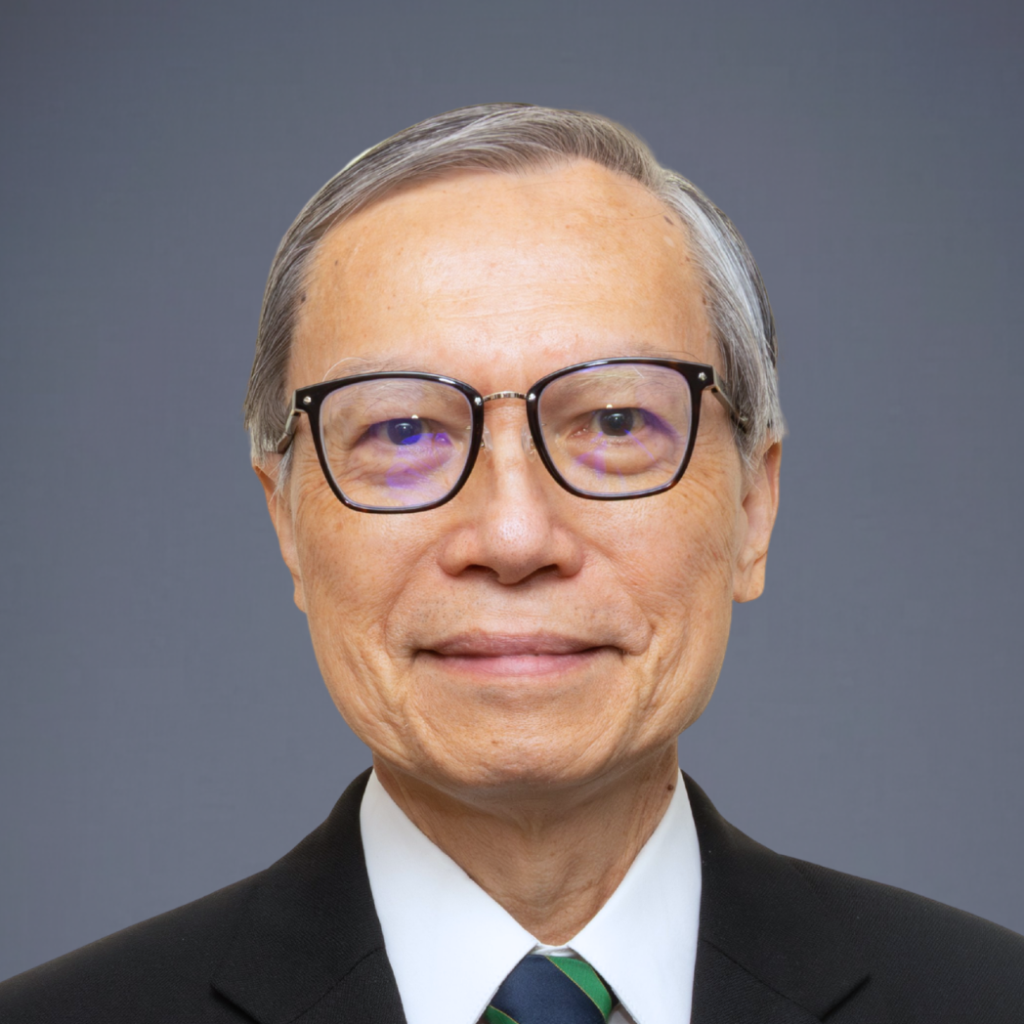
Director and Kerry Group Professor in Public Policy, School of Governance and Policy
The University of Hong Kong
Professor Kenneth Wong is the Director of the School of Governance and Policy and The Kerry Group Professor in Public Policy at the University of Hong Kong. Previously, he was the Walter and Leonore Annenberg Professor of Education Policy, Professor of Political Science, and Professor of International and Public Affairs at Brown University, USA. He also taught at the University of Chicago and Vanderbilt University. He serves as a non-resident Senior Fellow in Governance Studies at the Brookings Institution, Washington DC. He is an elected fellow of the National Academy of Public Administration in the U.S.
Professor Wong has conducted extensive research in public policy, intergovernmental relations, and education governance. His research has received support from the National Science Foundation, the Institute of Education Sciences, the Bloomberg Philanthropies, British Council, Japan Society for the Promotion of Science, and several foundations. He has authored or co-authored several books, including The Education Mayor: Improving America’s Schools. His co-authored book on the administrative presidency and federalism in the U.S. won the outstanding book award of the National Academy of Public Administration. He is currently editor of a research handbook on education policy and federalism across the globe.
16:05 – 16:20
Officiating Speeches
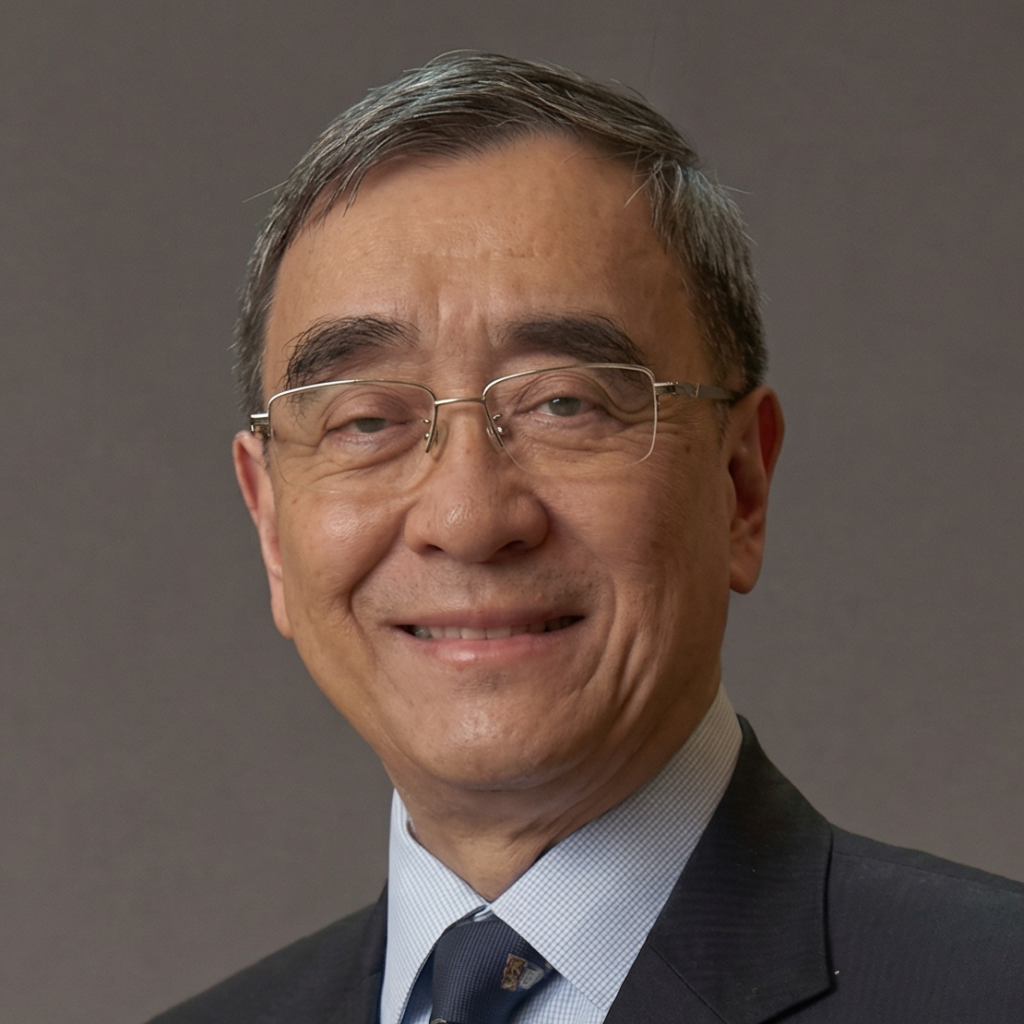
Acting President and Vice-Chancellor, The University of Hong Kong
Professor Y.C. Richard WONG, SBS, JP received his Ph.D. from the University of Chicago in 1981. He was Visiting Scholar at the National Opinion Research Center, University of Chicago in 1985 and at the Hoover Institution, Stanford University in 1989. He joined the School in September 1992, served as Director (1997-2000) of the School of Business, Dean (2001-04) and Acting Dean (2004-07) of the Faculty of Business and Economics (now HKU Business School), and Provost and Deputy Vice-Chancellor (2004-2010, 2019-).
Professor Wong is founding Director of the Hong Kong Centre for Economic Research (1987-) and the Hong Kong Institute of Economics and Business Strategy (1999-); a recipient of the Sir Antony Fisher International Memorial Award for his work in advancing economic research on policy issues in Hong Kong; and principal investigator of the Area of Excellence Grant in economic policy and business strategy awarded by the University Grants Committee in 1999; Chairman of the Council of the Becker-Friedman Institute, University of Chicago (2015-19).
He had served on a number of public bodies, including, the Exchange Fund Advisory Committee, Housing Authority, Industry and Technology Development Council, and University Grants Committee; and on the Central Policy Unit, Chief Executive’s Commission on Innovation and Technology, Commission on Strategic Development-Committee on Economic Development and Economic Cooperation with the Mainland, Council of Advisors on Innovation and Technology, Dental Council, Economic Advisory Committee, Hospital Authority, Pacific Economic Cooperation Council (Hong Kong Committee), Land and Building Advisory Committee, Financial Secretary’s Services Promotion Strategy Group, Research Themes under the Research Endowment Fund Steering Committee, and Commission on Poverty Task Force on Social Security and Retirement Security.
Professor Wong was awarded the Silver Bauhinia Star in 1999 by the Government of the Hong Kong Special Administrative Region in recognition of his contributions to education, housing, and industry and technology development. He was appointed a Justice of the Peace in 2000.
He has been Chairman of the Judging Panel of the DHL/SCMP Hong Kong Business Awards since 2006.
His current research focuses are public housing in Hong Kong, inequality and intergenerational mobility in Hong Kong, early childhood intervention, the political economy of laissez faire in Hong Kong, and regional economic development in China.
His research on public housing studies the welfare effects of the government public housing strategy and recommends government to correct capital market imperfections in the mortgage loans market to help the public to purchase publicly provided for sale units. It also recommends the sale of existing public rental units to the sitting tenant and new financial arrangements for the unpaid premium on existing publicly provided for sale flats. The policy changes aims to improve efficiency and equity, restore the broken housing ladder, and promote social harmony and stability.
He is studying the political economy for the economic success in Hong Kong during the post-war period focusing on the policy of positive non-interventionism. It includes a detailed analysis of all major facets of the Hong Kong economy and society. Structural transformations of Hong Kong’s economy and the new division of labour have given rise to numerous highly vocal special interest groups. The research is devoted to the articulation of the challenges and opportunities presented by the opening of China, the integration of Hong Kong with China under one-country two-system, the rising competition from regional neighbours amidst rapid structural transformation of the Hong Kong economy, and the globalization of world markets, with special emphasis on social mobility and intergenerational inequality.
Professor Wong has led pioneering efforts in studying regional economic development in the Pearl River Delta and Yangzi River Delta regions following China’s economic transformation. His research focused on the critical role of Hong Kong in regional and national economic development from the perspective of institutional change and innovation.
He previously wrote a column for the Hong Kong Economic Journal and South China Morning Post. He maintains a blog at http://www.wangyujian.com/.
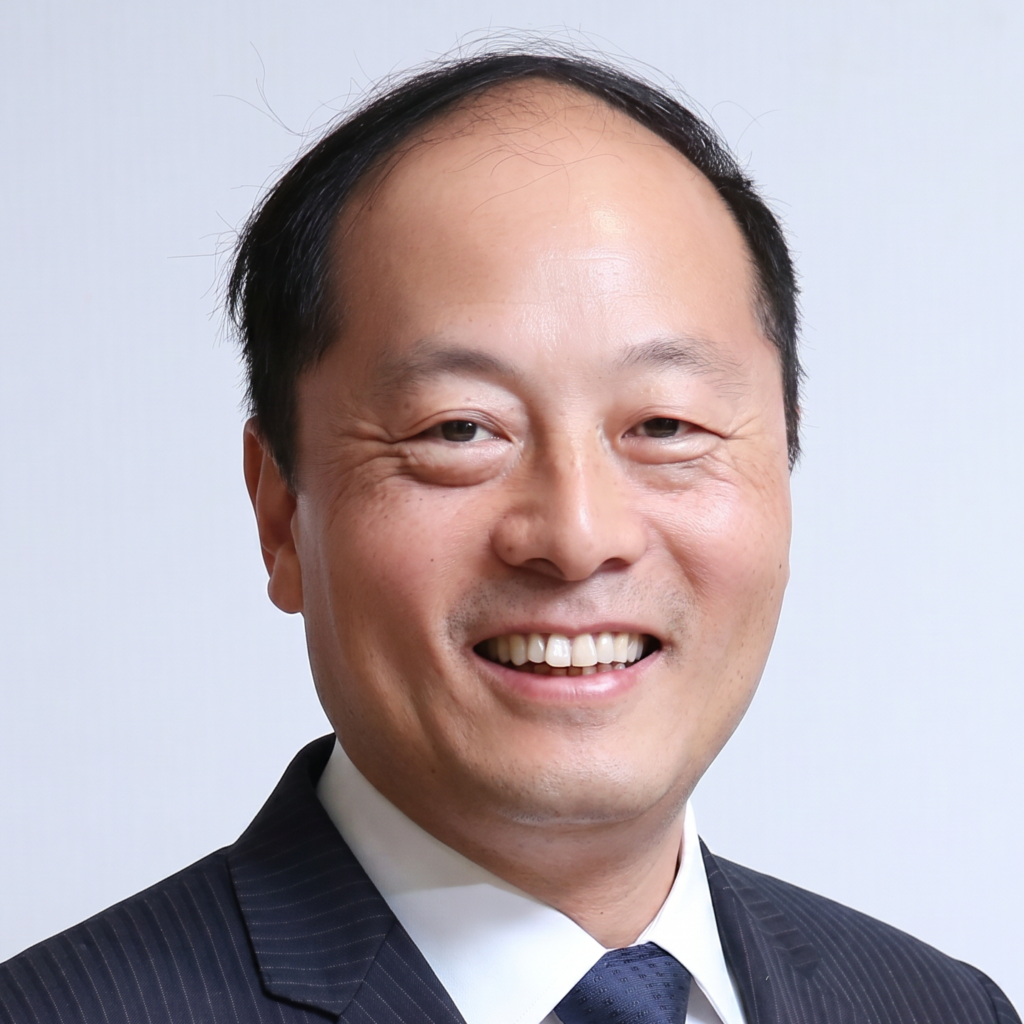
Chairman, China-United States Exchange Foundation
Mr. Zhao is Chairman of China-United States Exchange Foundation.
Mr. Zhao is also Chairman of Hony Capital, an investment management group focusing on Greater China’s economic development opportunities. Mr. Zhao currently serves as a board member on several multinational companies, in addition to number of non-profit organizations and public institutions.
Mr. Zhao holds an MBA degree from the Kellogg School of Management at Northwestern University, Master’s degrees in Electronic Engineering and Physics from Northern Illinois University, and a Bachelor’s degree in Physics from Nanjing University.
16:20 – 16:30
Launch Ceremony and Group Photo
16:30 – 16:40
Launching the School of Governance and Policy: A Strategic Overview
Professor Kenneth WONG
Director and Kerry Group Professor in Public Policy, School of Governance and Policy
The University of Hong Kong
Professor Kenneth Wong is the Director of the School of Governance and Policy and The Kerry Group Professor in Public Policy at the University of Hong Kong. Previously, he was the Walter and Leonore Annenberg Professor of Education Policy, Professor of Political Science, and Professor of International and Public Affairs at Brown University, USA. He also taught at the University of Chicago and Vanderbilt University. He serves as a non-resident Senior Fellow in Governance Studies at the Brookings Institution, Washington DC. He is an elected fellow of the National Academy of Public Administration in the U.S.
Professor Wong has conducted extensive research in public policy, intergovernmental relations, and education governance. His research has received support from the National Science Foundation, the Institute of Education Sciences, the Bloomberg Philanthropies, British Council, Japan Society for the Promotion of Science, and several foundations. He has authored or co-authored several books, including The Education Mayor: Improving America’s Schools. His co-authored book on the administrative presidency and federalism in the U.S. won the outstanding book award of the National Academy of Public Administration. He is currently editor of a research handbook on education policy and federalism across the globe.
16:40 – 17:20
Keynote Speech: A journey of a thousand miles begins with a single step

Professor James ROBINSON
Nobel Laureate in Economics, 2024; Professor, Harris School of Public Policy and Department of Political Sciences, The University of Chicago
James Robinson is a University Professor at the Harris School for Public Policy, the Committee on Social Thought and the Department of Political Science at the University of Chicago and recipient of the 2024 Recipient of the 2024 Sveriges Riksbank Prize in Economic Sciences in Memory of Alfred Nobel. He studied economics at the London School of Economics, the University of Warwick and Yale University and previously taught at the University of Melbourne, the University of Southern California, the University of California at Berkeley and Harvard University. He is the co-author with Daron Acemoglu of Economic Origins of Dictatorship and Democracy, Why Nations Fail, (which has been translated into 51 languages including Amharic, Arabic, Dari, Farsi, Mongolian and Somali), and The Narrow Corridor. His next book, on Sub-Saharan Africa, entitled Wealth in People will be published by Random House in 2027. His research uses the quantitative and mathematical methods of economics but in combination with the more qualitative, hermeneutical and case-study based approaches of other social sciences. He is currently conducting research in Botswana, Colombia, the Democratic Republic of Congo, Rwanda and Nigeria where he is a Fellow and Visiting Professor at the Institute of African Studies at the University of Nigeria-Nsukka and where he helps to organize the annual Chinua Achebe Conference. He taught every summer for 28 years at the University of the Andes in Bogotá where he is an Honorary Professor in the Department of Economics. He taught research design in the collaborative African PhD program in economics run by the African Economic Research Consortium in Nairobi and in 2026 initiated the first annual summer school on African social science at the Ecole Nationale Supérieure de Statistique et d’Economie Appliquée d’Abidjan in the Côte d’Ivoire.
17:20 – 18:10
Panel Discussion
“Beyond Borders: Policy Innovation and Collaboration in a Multipolar World”
Panelists:
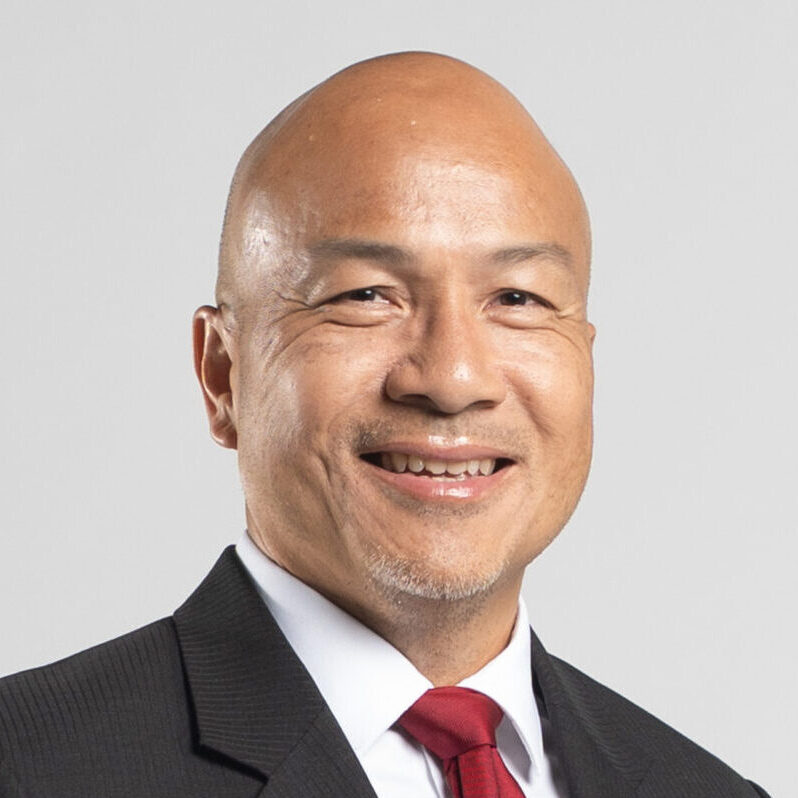
Professor Joseph LIOW Chinyong
Dean and Wang Gungwu Professor in East Asian Affairs, Lee Kuan Yew School of Public Policy, National University of Singapore
Prof Joseph Liow (Joseph Chinyong Liow) is Dean of the Lee Kuan Yew School of Public Policy and Wang Gungwu Professor in East Asian Affairs, National University of Singapore and concurrently, Chairman of the Middle East Institute at the same university. He was previously Dean of College of Humanities, Arts, and Social Sciences, Nanyang Technological University, Singapore, where he was also Tan Kah Kee Chair in Comparative and International Politics, and Professor and Dean at the S. Rajaratnam School of International Studies. He held the inaugural Lee Kuan Yew Chair in Southeast Asia Studies at the Brookings Institution, Washington DC, where he was also a Senior Fellow in the Foreign Policy Program.
Joseph’s research interests encompass Muslim politics and social movements in Southeast Asia and the geopolitics and geoeconomics of the Asia-Pacific region.
Joseph is the author, co-author, or editor of 18 books, the most recent being Navigating Uncertainty: Our Region in an Age of Flux (World Scientific 2024), Islam and Political Power in Indonesia and Malaysia (Cambridge University Press 2022), and Dictionary of the Modern Politics of Southeast Asia, fifth edition (Routledge, 2022). A regular columnist for the Straits Times, his commentaries on international affairs have also appeared in New York Times, Washington Post, Foreign Affairs, Foreign Policy, CNN, National Interest, Nikkei Asian Review, Wall Street Journal, and South China Morning Post. He has testified to the United States Congress, delivered a special closed door briefing to the ASEAN Defence Minister’s Meeting, and been invited to give briefings to global leaders including former German Chancellor Olaf Scholz. In addition to scholarship and policy analysis, Joseph has also consulted for a wide range of MNCs including Shell, BHP Billiton, Morgan Stanley, Canon, Chevron, Japan Bank for International Cooperation, Temasek, Total, Global Dairy Platform, Evli, and Equinor. He is a member of the Trilateral Commission and the Experts and Eminent Persons Group of the ASEAN Regional Forum, and sits on the board of several peer-reviewed academic and policy journals. Joseph is also on the boards of the Social Science Research Council (Singapore), ISEAS-Yusof Ishak Institute and the National Arts Council.
He holds a PhD in International Relations from the London School of Economics and Political Science, a MSc in Strategic Studies from the Nanyang Technological University, and a BA (Hons) in Political Science from the University of Madison-Wisconsin.
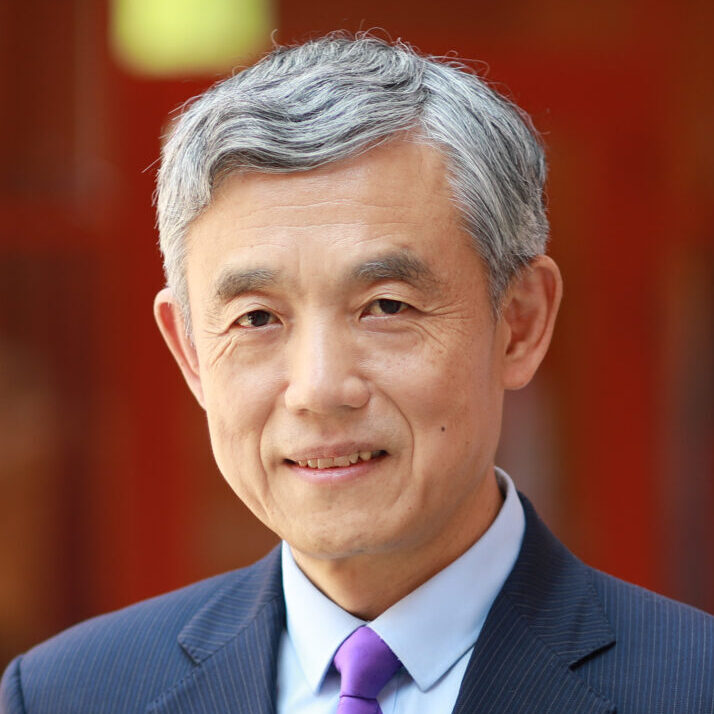
Professor Lan XUE
Dean, Schwarzman College, Tsinghua University
Dr. Xue Lan is a Distinguished Professor and Dean of Schwarzman College at Tsinghua University. His teaching and research focus on global governance, crisis management, and science, technology, and innovation (STI) policy. In addition to his deanship, he directs Tsinghua’s Institute for AI International Governance and China Institute for S&T Policy, and co-directs the Institute for Sustainable Development Goals (SDGs). Previously, from 2000 to 2018, he served as Associate Dean, Executive Associate Dean, and Dean of Tsinghua’s School of Public Policy and Management.
Beyond Tsinghua, Dr. Xue holds an adjunct professorship at Carnegie Mellon University and is a Nonresident Senior Fellow at Brookings Institution. He serves in several high-level advisory roles in China, including as an advisor to the State Council, Chair of China’s National Expert Committee on Next Generation AI Governance, and a member of the Standing Committee of the Chinese Association of Science and Technology. His global engagement includes serving on the UN Sustainable Development Solution Network (SDSN) Leadership Council, the UN Committee of Experts on Public Administration (CEPA), and the UN Internet Governance Forum (IGF) Leadership Panel.
Dr. Xue’s scholarship has been recognized with numerous honors, including China’s Second National Award for Excellence in Innovation, the Distinguished Young Scholar Award from the National Natural Science Foundation of China, the Cheung Kong Chair Professorship from the Ministry of Education, the Fudan Distinguished Contribution Award for Management Science, the Distinguished Contribution Award from the Chinese Association for Science of Science and S&T Policy, and the Distinguished Contribution Award from Tsinghua University. He holds a Ph.D. in Engineering and Public Policy from Carnegie Mellon University.
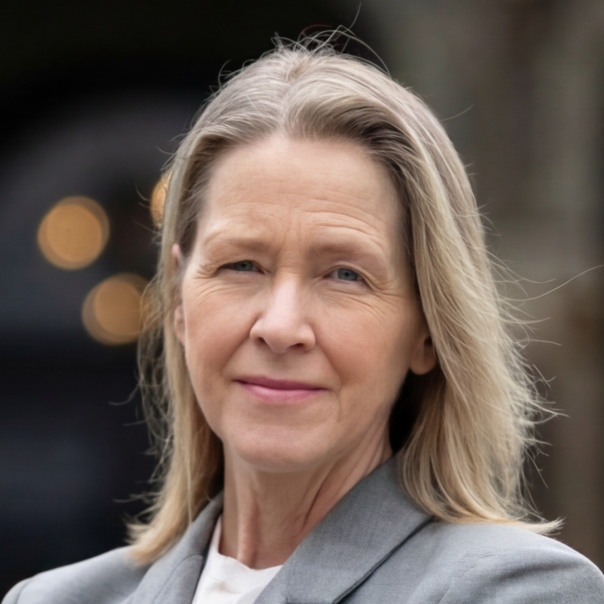
Professor Carole Roan GRESENZ
Dean, McCourt School of Public Policy, Georgetown University
Carole Roan Gresenz is Dean of the McCourt School of Public Policy. She served as Senior Advisor for Strategic Health Initiatives in the Office of the President from 2021-2022, as Interim Dean of the School of Nursing & Health Studies from 2019-2021, and as Senior Associate Dean of the School of Nursing & Health Studies from 2018-2019. She was the Jacobs Endowed Professor in the Department of Health Management and Policy at Georgetown between 2012 and 2025. She previously worked at the RAND Corporation where her positions included Director, RAND Economics, Sociology, and Statistics Department; Director, RAND Health Economics, Finance and Organization program; and Associate Director, RAND Institute for Civil Justice. Her ongoing research examines the financial consequences of Alzheimer’s disease and related dementias. She serves on the editorial boards of Medical Care Research and Review and Transforming Care and recently served as member of the National Academies of Science, Engineering, and Medicine Committee on Improving the Health and Wellbeing of Children and Youth through Health Care System Transformation. She holds a Ph.D. and M.A. in economics from Brown University and a B.A. in economics from Loyola University Maryland.
Moderator:
Professor Kenneth WONG
Director and Kerry Group Professor in Public Policy, School of Governance and Policy
The University of Hong Kong
Biography test
18:10 – 18:15
Closing Remarks
Professor Kenneth WONG
Director and Kerry Group Professor in Public Policy, School of Governance and Policy
The University of Hong Kong
Professor Kenneth Wong is the Director of the School of Governance and Policy and The Kerry Group Professor in Public Policy at the University of Hong Kong. Previously, he was the Walter and Leonore Annenberg Professor of Education Policy, Professor of Political Science, and Professor of International and Public Affairs at Brown University, USA. He also taught at the University of Chicago and Vanderbilt University. He serves as a non-resident Senior Fellow in Governance Studies at the Brookings Institution, Washington DC. He is an elected fellow of the National Academy of Public Administration in the U.S.
Professor Wong has conducted extensive research in public policy, intergovernmental relations, and education governance. His research has received support from the National Science Foundation, the Institute of Education Sciences, the Bloomberg Philanthropies, British Council, Japan Society for the Promotion of Science, and several foundations. He has authored or co-authored several books, including The Education Mayor: Improving America’s Schools. His co-authored book on the administrative presidency and federalism in the U.S. won the outstanding book award of the National Academy of Public Administration. He is currently editor of a research handbook on education policy and federalism across the globe.
18:15 – 18:45
Reception at Foyer
Global Leaders Series | April 28, 2026 (Tuesday)
16:30 – 17:30 & 18:00 – 19:30, Rayson Huang Theatre, The University of Hong Kong
16:30 – 17:30
The Future of Sino-Japanese Relations Amid a Cracking World Order
ウクライナから中東で続く高列度戦争、ヴェネズエラ大統領の拉致、自由貿易を完全に無視した関税戦争など、我々は今、世界秩序が崩壊に向かっているかのような激しい動揺を目撃している。東アジアもこの変動から無縁ではいられない。だが同時に、東アジアは熱戦が少なくともまだ起きていない地域の1つでもある。日本と中国の関係如何は、世界秩序の罅割れが東アジアに波及する速度や程度に大きな影響を与えるであろう。この講義で私はそのような視点から日中関係の展望を論じる。我々は日中関係を注意深く管理することによって東アジアの平和と安定を守り、ひいては世界秩序の罅割れの進行を食い止めるべきである。
From the high-intensity wars raging in Ukraine and the Middle East, to the abduction of the Venezuelan president, and the tariff wars that completely disregard free trade, we are currently witnessing intense upheaval that suggests the world order is on the verge of collapse. East Asia, too, cannot remain untouched by these shifts. It is my firm belief that the state of relations between Japan and China will significantly influence the speed and extent to which the cracks in the world order spread to East Asia. In this lecture, I will discuss the outlook for Japan-China relations from this perspective. By carefully managing Japan-China relations, we must safeguard peace and stability in East Asia and, by extension, halt the progression of the cracks in the world order.
Speaker:
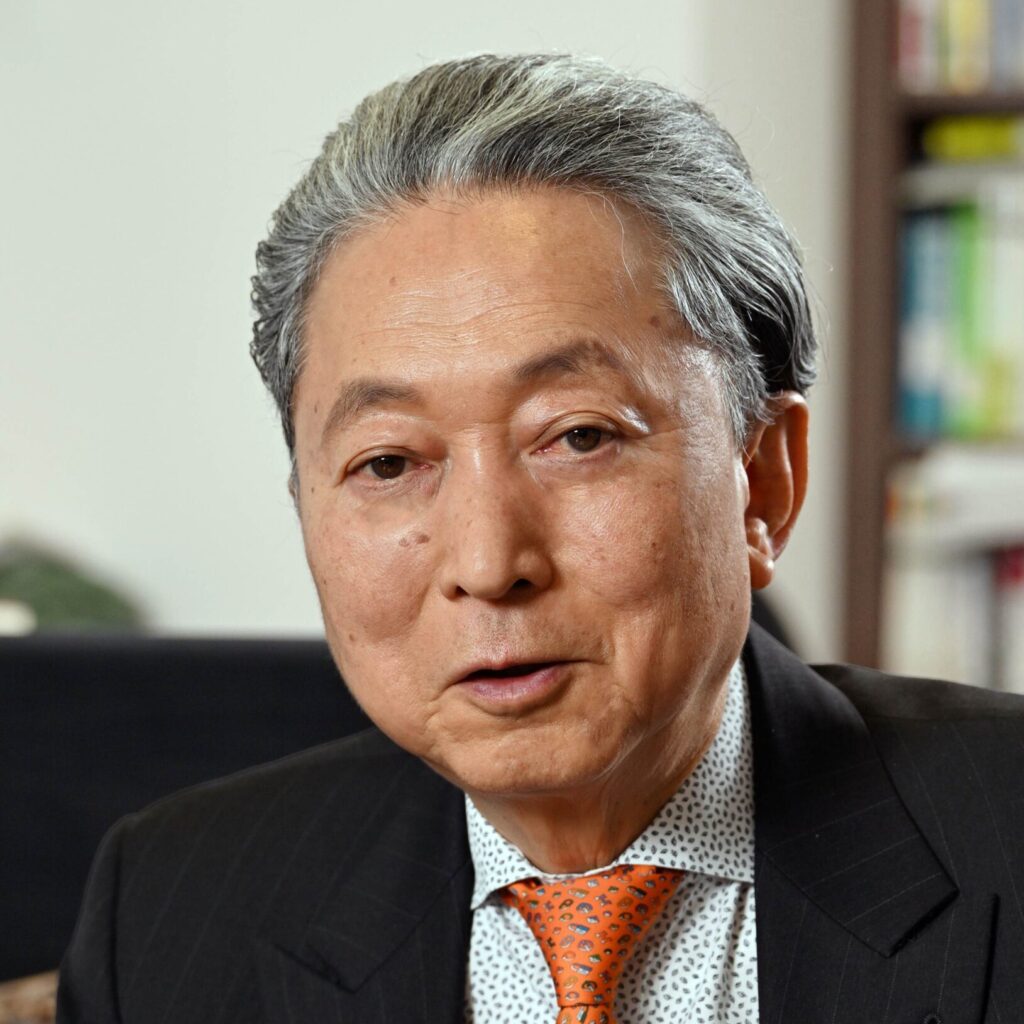
Dr. Yukio HATOYAMA
Former Prime Minister of Japan
The Honorable Dr. Yukio Hatoyama is a distinguished Japanese politician and academic who has served as Prime Minister, demonstrating significant leadership in Japan’s government and political reform. He possesses extensive experience in legislative affairs, party leadership, and international relations.
Dr. Hatoyama holds a Bachelor of Engineering from the University of Tokyo and earned a Master of Science and Ph.D. in Industrial Engineering from Stanford University. Before entering politics, he served as an Assistant Professor at Senshu University, building a strong foundation in education and research.
Throughout his career, Dr. Hatoyama served as a Member of the House of Representatives from 1986 to 2012, beginning with the Liberal Democratic Party before becoming a leading advocate for reform. He co-founded the Democratic Party of Japan, where he held important positions such as President and Secretary-General, contributing to the party’s growth and influence.
In 2009, Dr. Hatoyama led his party to a historic electoral victory, becoming the 93rd Prime Minister of Japan. His administration focused on strengthening political leadership, enhancing administrative accountability, and promoting social welfare. He is also known for promoting yuai, fraternity and mutual respect, and for advancing regional dialogue and cooperation in East Asia.
Dr. Hatoyama continues to influence public discourse on governance, regional cooperation, and social progress in Japan and the wider region.
Commentator:
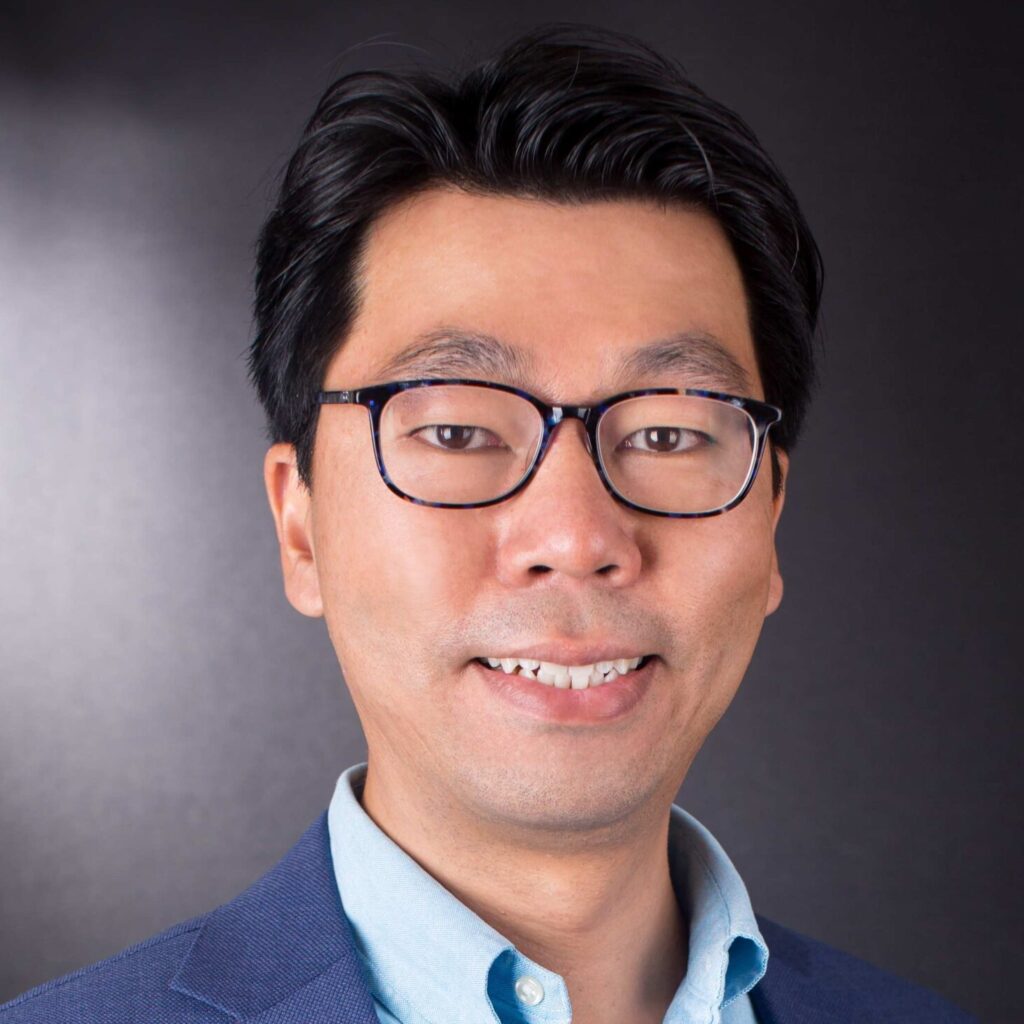
Professor Heiwai TANG
Associate Vice-President (Global); Associate Dean and Victor and William Fung Professor in Economics, HKU Business School; Professor (by-courtesy), School of Governance and Policy; Director, Asia Global Institute; The University of Hong Kong
Prof. Heiwai Tang is the Victor and William Fung Professor in Economics at the University of Hong Kong (HKU), where he also serves as Director of the Asia Global Institute, Associate Vice President (Global) of the university, and Associate Dean for External Relations at the Business School. Before joining HKU, he was a tenured Associate Professor of International Economics at the School of Advanced International Studies (SAIS) of Johns Hopkins University.
He is affiliated with the Center of Economic Studies and Ifo Institute (CESifo) in Germany, the Asian Bureau of Finance and Economic Research (ABFER) in Singapore, the Kiel Institute for the World Economy in Germany, and the Globalization and Economic Policy (GEP) Center in the U.K. as a research fellow. He has consulted for organizations such as the World Bank, the International Finance Corporation, the United Nations, and the Asian Development Bank. He has also held visiting positions at the International Monetary Fund (IMF), Stanford University, the Massachusetts Institute of Technology (MIT), and Harvard University.
He has previously served as the Managing Editor of the Pacific Economic Review, and as an Associate Editor for the Journal of International Economics, the Journal of Comparative Economics, and the China Economic Review. Since 2021, he has been involved with several public and regulatory bodies in Hong Kong SAR, including the Currency Board Sub-Committee of the Hong Kong Monetary Authority’s Exchange Fund Advisory Committee, the Industry Advisory Committee of the Insurance Authority, the Securities and Futures Appeals Tribunal, the Land and Development Advisory Committee, and the Minimum Wage Commission, among others.
Heiwai holds a Ph.D. in economics from MIT and a Bachelor of Science in mathematics from UCLA. His research interests span a wide range of theoretical and empirical topics in international trade, with a specific focus on production networks, global value chains, and China. His research has been published in leading economics journals, including the American Economic Review and the Journal of International Economics. His research and opinions have been featured in the BBC, Bloomberg, China Daily, CNA, CNN, Financial Times, New York Times, Al Jazeera, Foreign Policy, South China Morning Post, and various think tanks, including the Brookings Institution and the Peterson Institute for International Economics.
Moderator:
Professor Kenneth WONG
Director and Kerry Group Professor in Public Policy, School of Governance and Policy
The University of Hong Kong
Professor Kenneth Wong is the Director of the School of Governance and Policy and The Kerry Group Professor in Public Policy at the University of Hong Kong. Previously, he was the Walter and Leonore Annenberg Professor of Education Policy, Professor of Political Science, and Professor of International and Public Affairs at Brown University, USA. He also taught at the University of Chicago and Vanderbilt University. He serves as a non-resident Senior Fellow in Governance Studies at the Brookings Institution, Washington DC. He is an elected fellow of the National Academy of Public Administration in the U.S.
Professor Wong has conducted extensive research in public policy, intergovernmental relations, and education governance. His research has received support from the National Science Foundation, the Institute of Education Sciences, the Bloomberg Philanthropies, British Council, Japan Society for the Promotion of Science, and several foundations. He has authored or co-authored several books, including The Education Mayor: Improving America’s Schools. His co-authored book on the administrative presidency and federalism in the U.S. won the outstanding book award of the National Academy of Public Administration. He is currently editor of a research handbook on education policy and federalism across the globe.
17:30 – 18:00
Tea Break
18:00 – 19:30
The Future of Nations: How Economic and Political Institutions Contribute to Growth and Progress
For millennia human welfare was unchanged. Societies rose, but then fell. Life expectancy hardly altered. Life was nasty, brutish and short. But beginning around 300 years ago a new trend emerged which has spread to most corners of the world and radically transformed human society. Why did it happen? How can it be sustained? Does the fact that our rise has been much bigger than in the past only mean that the fall will be steeper? Have we understood the way to make sure that this time it is different?
Speaker:
Professor James ROBINSON
Nobel Laureate in Economics, 2024; Professor, Harris School of Public Policy and Department of Political Sciences, The University of Chicago
James Robinson is a University Professor at the Harris School for Public Policy, the Committee on Social Thought and the Department of Political Science at the University of Chicago and recipient of the 2024 Recipient of the 2024 Sveriges Riksbank Prize in Economic Sciences in Memory of Alfred Nobel. He studied economics at the London School of Economics, the University of Warwick and Yale University and previously taught at the University of Melbourne, the University of Southern California, the University of California at Berkeley and Harvard University. He is the co-author with Daron Acemoglu of Economic Origins of Dictatorship and Democracy, Why Nations Fail, (which has been translated into 51 languages including Amharic, Arabic, Dari, Farsi, Mongolian and Somali), and The Narrow Corridor. His next book, on Sub-Saharan Africa, entitled Wealth in People will be published by Random House in 2027. His research uses the quantitative and mathematical methods of economics but in combination with the more qualitative, hermeneutical and case-study based approaches of other social sciences. He is currently conducting research in Botswana, Colombia, the Democratic Republic of Congo, Rwanda and Nigeria where he is a Fellow and Visiting Professor at the Institute of African Studies at the University of Nigeria-Nsukka and where he helps to organize the annual Chinua Achebe Conference. He taught every summer for 28 years at the University of the Andes in Bogotá where he is an Honorary Professor in the Department of Economics. He taught research design in the collaborative African PhD program in economics run by the African Economic Research Consortium in Nairobi and in 2026 initiated the first annual summer school on African social science at the Ecole Nationale Supérieure de Statistique et d’Economie Appliquée d’Abidjan in the Côte d’Ivoire.
Commentator:
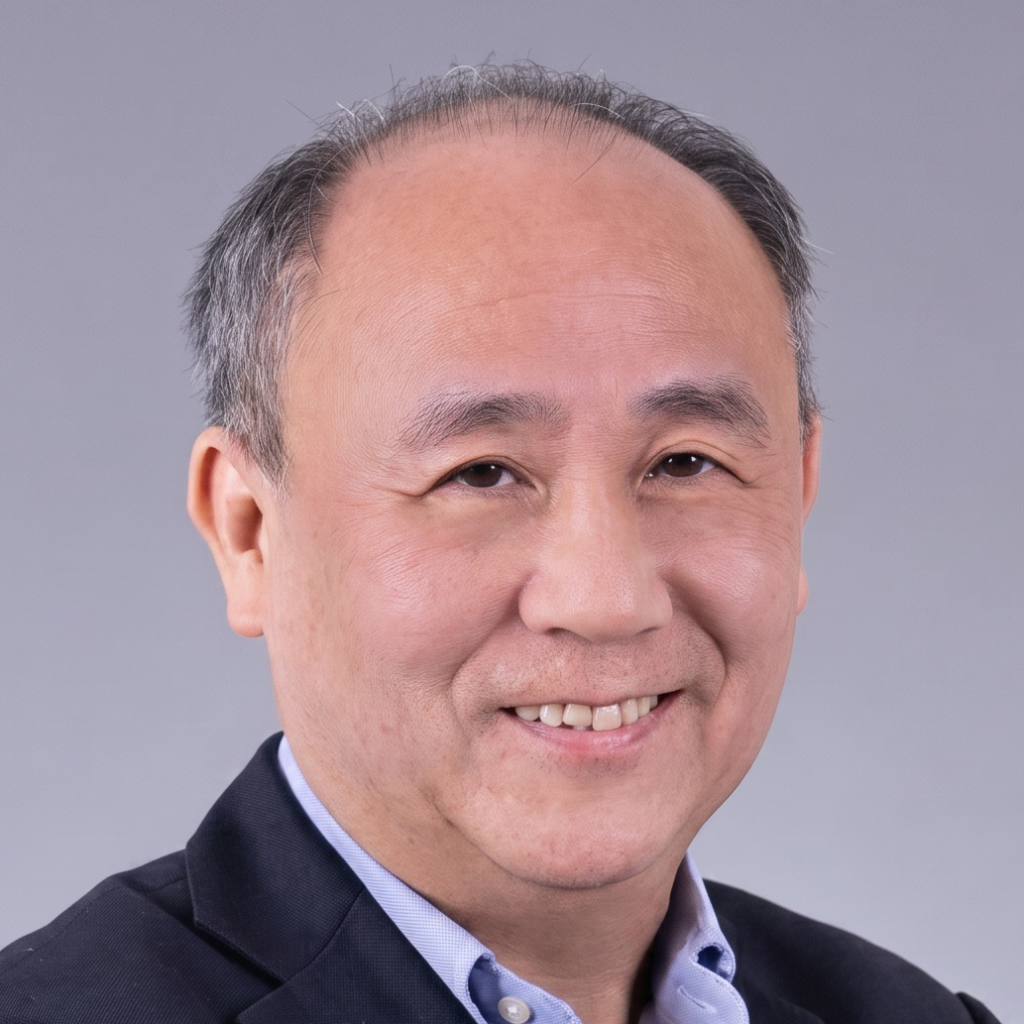
Professor Xiaodong ZHU
Chair of Economics, HKU Business School
Xiaodong Zhu joined the Faculty of Business and Economics at the University of Hong Kong as a professor in 2022. Prior to that, he was a professor in the Department of Economics at the University of Toronto, where he taught for 30 years. He is a leading expert on the Chinese economy and his research on China has been published in top economics journals such as the American Economic Review, Journal of Political Economy, Journal of Monetary Economics, International Economic Review, Journal of Development Economics, Review of Economic Dynamics, and Journal of Economic Perspectives.
Moderator:
Professor Kenneth WONG
Director and Kerry Group Professor in Public Policy, School of Governance and Policy
The University of Hong Kong
Professor Kenneth Wong is the Director of the School of Governance and Policy and The Kerry Group Professor in Public Policy at the University of Hong Kong. Previously, he was the Walter and Leonore Annenberg Professor of Education Policy, Professor of Political Science, and Professor of International and Public Affairs at Brown University, USA. He also taught at the University of Chicago and Vanderbilt University. He serves as a non-resident Senior Fellow in Governance Studies at the Brookings Institution, Washington DC. He is an elected fellow of the National Academy of Public Administration in the U.S.
Professor Wong has conducted extensive research in public policy, intergovernmental relations, and education governance. His research has received support from the National Science Foundation, the Institute of Education Sciences, the Bloomberg Philanthropies, British Council, Japan Society for the Promotion of Science, and several foundations. He has authored or co-authored several books, including The Education Mayor: Improving America’s Schools. His co-authored book on the administrative presidency and federalism in the U.S. won the outstanding book award of the National Academy of Public Administration. He is currently editor of a research handbook on education policy and federalism across the globe.
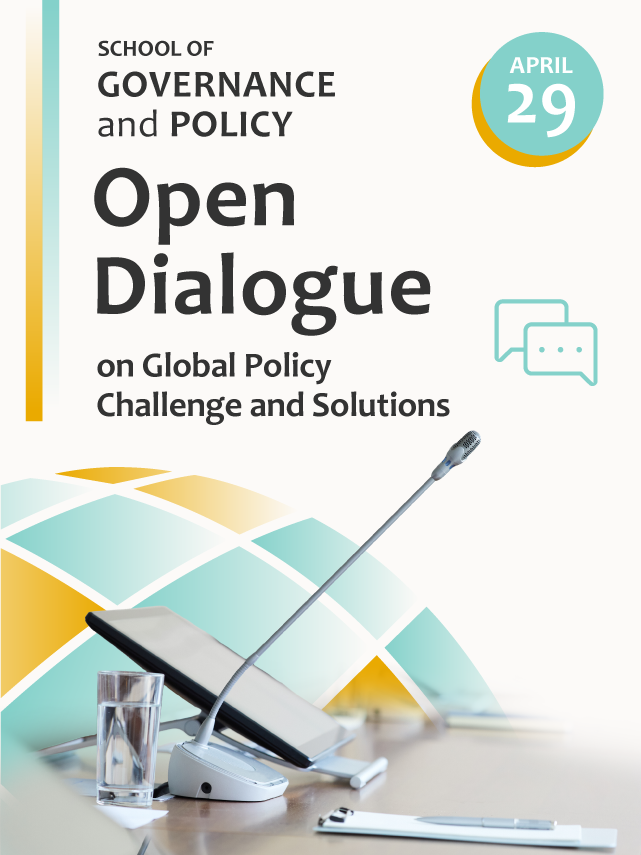
Open Dialogue on Global Policy Challenges and Solutions | April 29, 2026 (Wednesday)
11:00 – 12:15 & 15:00 – 16:15, Senate Room, 10/F Knowles Building, The University of Hong Kong
11:00 – 12:15
Southeast Asia Between the Superpowers: The Dilemma of Choice
One of the most pressing strategic dilemmas confronting the states of Southeast Asia today is the matter of choice between the two great powers of the present era, the United States and China. This dilemma has been rendered more urgent by the sharp deterioration of US-China relations in recent years. While Southeast Asian leaders speak openly about their reluctance to choose, the reality of decision-making and policy choices may portray a different picture. This lecture, based on the Anatomy of Choice project that the speaker undertook with Professor Khong Yuen Foong, will unpack alignment choices of Southeast Asian states between the US and China over the last three decades. It will discuss what alignment looks like today, how it has evolved since the mid-1990s, why regional states are aligned the way they are, and what are the reasons that will make it increasingly difficult for them to “hedge”. The lecture will conclude with some thoughts about the impact that the Trump administration will have on alignment choices in the future.
Speaker:
Professor Joseph LIOW Chinyong
Dean and Wang Gungwu Professor in East Asian Affairs, Lee Kuan Yew School of Public Policy, National University of Singapore
Prof Joseph Liow (Joseph Chinyong Liow) is Dean of the Lee Kuan Yew School of Public Policy and Wang Gungwu Professor in East Asian Affairs, National University of Singapore and concurrently, Chairman of the Middle East Institute at the same university. He was previously Dean of College of Humanities, Arts, and Social Sciences, Nanyang Technological University, Singapore, where he was also Tan Kah Kee Chair in Comparative and International Politics, and Professor and Dean at the S. Rajaratnam School of International Studies. He held the inaugural Lee Kuan Yew Chair in Southeast Asia Studies at the Brookings Institution, Washington DC, where he was also a Senior Fellow in the Foreign Policy Program.
Joseph’s research interests encompass Muslim politics and social movements in Southeast Asia and the geopolitics and geoeconomics of the Asia-Pacific region.
Joseph is the author, co-author, or editor of 18 books, the most recent being Navigating Uncertainty: Our Region in an Age of Flux (World Scientific 2024), Islam and Political Power in Indonesia and Malaysia (Cambridge University Press 2022), and Dictionary of the Modern Politics of Southeast Asia, fifth edition (Routledge, 2022). A regular columnist for the Straits Times, his commentaries on international affairs have also appeared in New York Times, Washington Post, Foreign Affairs, Foreign Policy, CNN, National Interest, Nikkei Asian Review, Wall Street Journal, and South China Morning Post. He has testified to the United States Congress, delivered a special closed door briefing to the ASEAN Defence Minister’s Meeting, and been invited to give briefings to global leaders including former German Chancellor Olaf Scholz. In addition to scholarship and policy analysis, Joseph has also consulted for a wide range of MNCs including Shell, BHP Billiton, Morgan Stanley, Canon, Chevron, Japan Bank for International Cooperation, Temasek, Total, Global Dairy Platform, Evli, and Equinor. He is a member of the Trilateral Commission and the Experts and Eminent Persons Group of the ASEAN Regional Forum, and sits on the board of several peer-reviewed academic and policy journals. Joseph is also on the boards of the Social Science Research Council (Singapore), ISEAS-Yusof Ishak Institute and the National Arts Council.
He holds a PhD in International Relations from the London School of Economics and Political Science, a MSc in Strategic Studies from the Nanyang Technological University, and a BA (Hons) in Political Science from the University of Madison-Wisconsin.
Commentator:
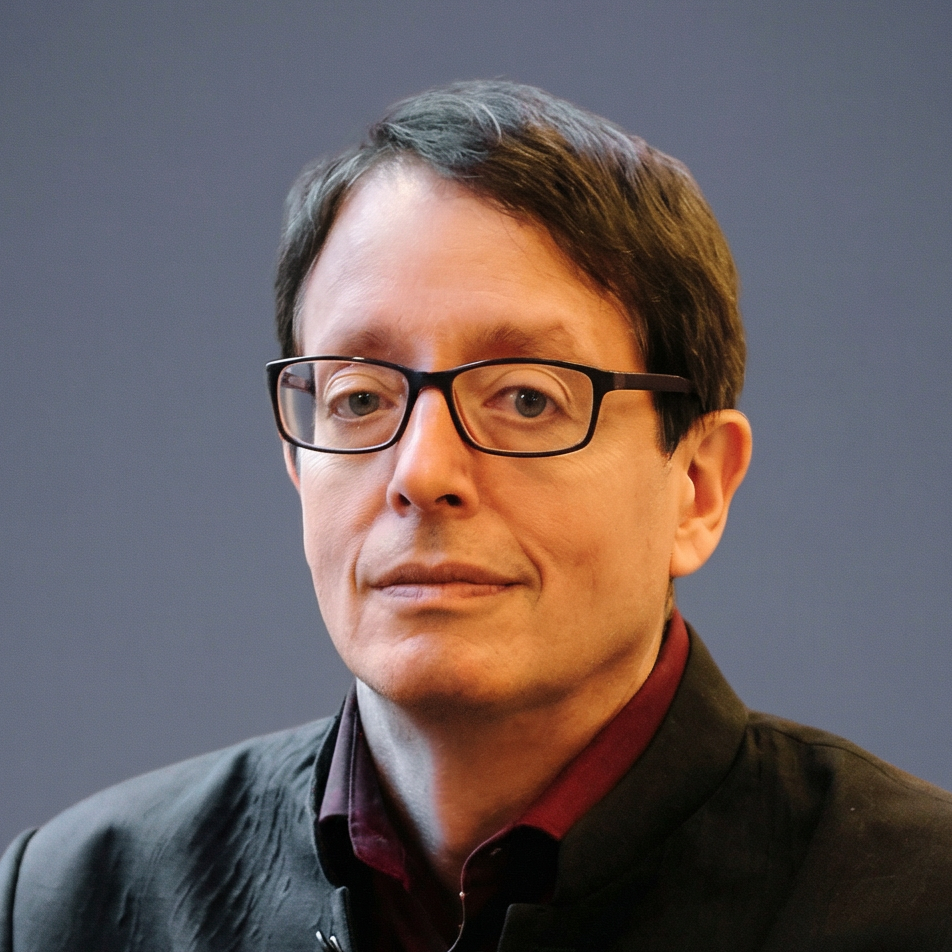
Professor Daniel A. BELL
Chair of Political Theory, School of Governance and Policy, The University of Hong Kong
Daniel A. Bell (貝淡寧) is Professor, Chair of Political Theory with the School of Governance and Policy at the University of Hong Kong. He served as Dean of the School of Political Science and Public Administration at Shandong University (Qingdao) from 2017 to 2022. His books include Why Ancient Chinese Political Thought Matters (2026), The Dean of Shandong (2023), Just Hierarchy (co-authored with Wang Pei, 2020), The China Model (2015), The Spirit of Cities (co-authored with Avner de-Shalit, 2012), China’s New Confucianism (2008), Beyond Liberal Democracy (2007), and East Meets West (2000), all published by Princeton University Press. He is also the author of Communitarianism and Its Critics (Oxford University Press, 1993). He is founding editor of the Princeton-China series (Princeton University Press) which translates and publishes original and influential academic works from China. His works have been translated in 23 languages. He has been interviewed in English, Chinese, and French. In 2018, he was awarded the Huilin Prize and was honoured as a “Cultural Leader” by the World Economic Forum. In 2019, he was awarded the Special Book award of China. In 2021, he was selected as People’s Friendship Envoy of Shandong Province. In 2024, he was elected Vice-President of the International Confucian Association.
Moderator:
Professor Kenneth WONG
Director and Kerry Group Professor in Public Policy, School of Governance and Policy
The University of Hong Kong
Professor Kenneth Wong is the Director of the School of Governance and Policy and The Kerry Group Professor in Public Policy at the University of Hong Kong. Previously, he was the Walter and Leonore Annenberg Professor of Education Policy, Professor of Political Science, and Professor of International and Public Affairs at Brown University, USA. He also taught at the University of Chicago and Vanderbilt University. He serves as a non-resident Senior Fellow in Governance Studies at the Brookings Institution, Washington DC. He is an elected fellow of the National Academy of Public Administration in the U.S.
Professor Wong has conducted extensive research in public policy, intergovernmental relations, and education governance. His research has received support from the National Science Foundation, the Institute of Education Sciences, the Bloomberg Philanthropies, British Council, Japan Society for the Promotion of Science, and several foundations. He has authored or co-authored several books, including The Education Mayor: Improving America’s Schools. His co-authored book on the administrative presidency and federalism in the U.S. won the outstanding book award of the National Academy of Public Administration. He is currently editor of a research handbook on education policy and federalism across the globe.
15:00 – 16:15
Cognitive Health, Household Financial Decision-Making & Intrahousehold Financial Spillovers
We study the spillover effects of cognitive decline in one member of a coupled household on the financial outcomes of their partner and assess how “own” and spillover effects are moderated by the structure of household financial decision-making. We use a large, nationally representative longitudinal dataset spanning 2000-2017 that includes credit report data merged at the individual level with Medicare claims and enrollment data. We find the own adverse financial consequences of cognitive decline depend on household financial integration and other characteristics associated with household financial management, and find significant, albeit smaller (vs own), adverse financial spillover effects on partners.
Speaker:
Professor Carole Roan GRESENZ
Dean, McCourt School of Public Policy, Georgetown University
Carole Roan Gresenz is Dean of the McCourt School of Public Policy. She served as Senior Advisor for Strategic Health Initiatives in the Office of the President from 2021-2022, as Interim Dean of the School of Nursing & Health Studies from 2019-2021, and as Senior Associate Dean of the School of Nursing & Health Studies from 2018-2019. She was the Jacobs Endowed Professor in the Department of Health Management and Policy at Georgetown between 2012 and 2025. She previously worked at the RAND Corporation where her positions included Director, RAND Economics, Sociology, and Statistics Department; Director, RAND Health Economics, Finance and Organization program; and Associate Director, RAND Institute for Civil Justice. Her ongoing research examines the financial consequences of Alzheimer’s disease and related dementias. She serves on the editorial boards of Medical Care Research and Review and Transforming Care and recently served as member of the National Academies of Science, Engineering, and Medicine Committee on Improving the Health and Wellbeing of Children and Youth through Health Care System Transformation. She holds a Ph.D. and M.A. in economics from Brown University and a B.A. in economics from Loyola University Maryland.
Commentator:
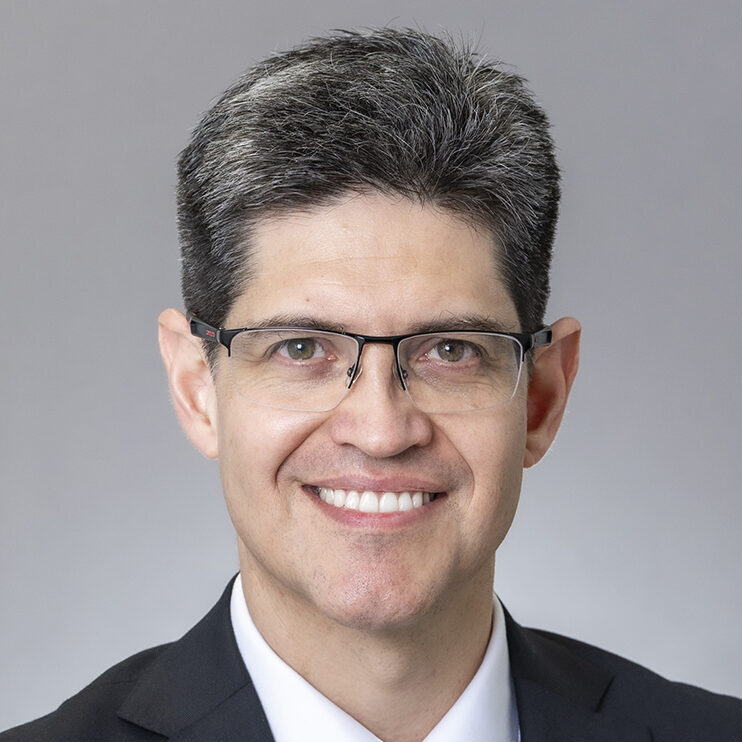
Professor Manuel ESPINOZA
Associate Professor (by-courtesy), School of Governance and Policy
The University of Hong Kong
Professor Manuel Espinoza is Associate Professor of the Division of Health Economics, Policy and Management in the School of Public Health. He holds a medical doctor degree and a MSc in Epidemiology, both from Pontificia Universidad Catolica de Chile; a MSc in Biostatistics from Universidad de Chile, a MSc in Health Economics and PhD in Economics, both from University of York (UK). Before joining HKU, he was an Associate Professor at the School of Public Health, Pontificia Universidad Católica de Chile. During the last 15 years, Professor Espinoza has focused his academic work in the field of health technology assessment and health economics, particularly in economic evaluation and priority setting in health.
Professor Espinoza’s research focuses on new methods for exploring heterogeneity and equity in economic evaluation, developing value frameworks for health decision making, policy impact analysis, and applied economic evaluation. He has been consultant for the World Bank, Intermarican Development Bank, United Nations Office of Project Services, and the Center for Global Development. Through this work he has contributed to the elaboration and update of health benefit plans in Argentina, Honduras, Dominican Republic, and Chile; to policy impact analysis in Belize and Chile, and implementing strategic purchasing for high cost technologies in Mexico and Chile.
He has also served scientific societies in different roles. He was Director of the Board of the International Society of Pharmacoeconomics and Outcomes Research (ISPOR), President of the ISPOR Consortium LatinAmerica and co-editor of Value in Health, journal of ISPOR. Currently he is Editor-in-Chief of Value in Health Regional Issues and Chair of the Latin America Policy Forum of Health Technology Assessment International (HTAi).
Moderator:
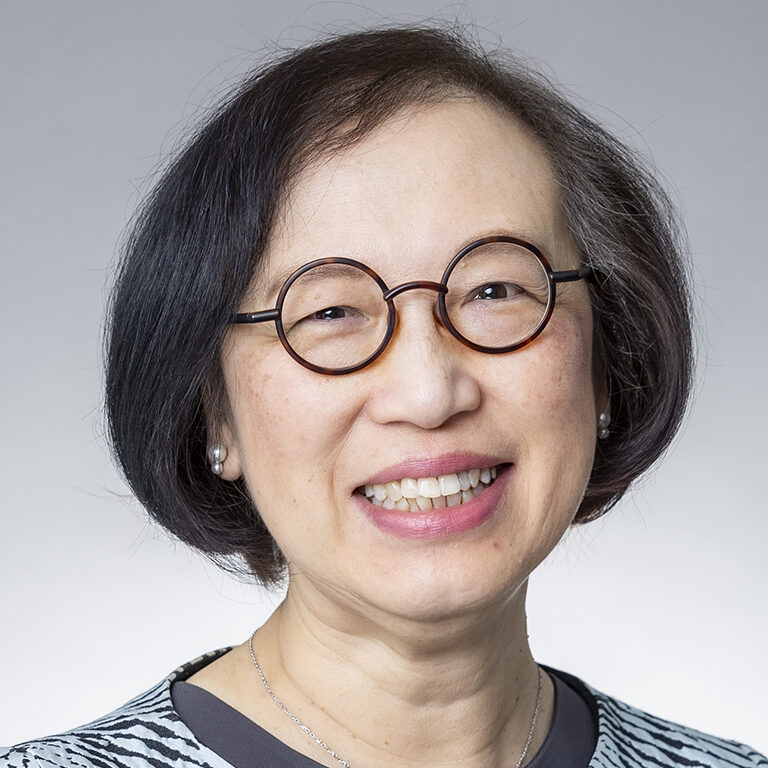
Professor Sophia CHAN
Professor, School of Public Health; Senior Advisor to the President’s Office
The University of Hong Kong
Professor Sophia Chan is currently Senior Advisor to the President’s Office at The University of Hong Kong (HKU), and Professor and Director of HKU Primary Health Care Academy. She is Head of World Health Organization Collaborating Centre for Health and Nursing Workforce Development in Primary Health Care.
Professor Chan was appointed by the Government of the Hong Kong Special Administrative Region of the People’s Republic of China to be Under Secretary for Food and Health (USFH) from 2012 to 2017, and Secretary for Food and Health (SFH) from 2017-2022. She was the first nurse in Hong Kong appointed in this ministerial position. She has led the Food and Health Bureau (FHB) in making remarkable contribution in the formulation and implementation of various major policies on health, food and environmental hygiene and agriculture and fisheries. During her tenure as SFH, not only has she been fighting the COVID-19 pandemic over 2.5 years, she has also made exemplary efforts and policy initiatives in protecting and promoting the health of the population through major policy initiatives such as reforming a new journey in primary health care by developing District Health Centres (DHCs) in all 18 districts in Hong Kong, laying a strong foundation of developing the first Chinese Medicine Hospital, opening the first Children Hospital, launched the Hong Kong Cancer Strategy 2019, launched the Towards 2025: Strategy and Action Plan to Prevent and Control Non-communicable Diseases in Hong Kong; implemented the Hong Kong Strategy and Action Plan on Anti-Microbial Resistance 2017-2022 and prepared the 2023-2027 Strategy Plan, established the Genome Research Institute, launched the Voluntary Health Insurance Scheme, and banned E-cigarettes and Heated Tobacco Products in Hong Kong, just to name a few.
Before the appointment by the Government of the HKSAR, Professor Chan was the Head of Department of Nursing Studies/School of Nursing of HKU from 2000 to 2011 and an Assistant Dean of the LKS Faculty of Medicine of HKU from 2001 to 2012. Professor Chan was trained in and practised general and paediatric nursing in Hong Kong and London. She got her Master of Education from the University of Manchester, Master of Public Health from the Harvard University School of Public Health, and her Doctor of Philosophy from the University of Hong Kong.
Professor Chan is one of the leading Nurse Scientists locally and internationally and was named among the world’s top 2% most cited scientists in her specialty areas by Stanford University in 2020. Her research specialises in public health, management of tobacco dependency, prevention of second-hand smoke exposure in children, and primary health care system and policy development. She has always been the top-funded researcher in HKU School of Nursing and has led many external competitive grants including GRF, HMRF, and commissioned grants from the Government of the HKSAR, Hong Kong Jockey Club and key foundations and organisations locally and internationally. She is a pioneer and founding directors of a number of signature research and training programmes in tobacco dependency therapeutic interventions, and her research findings has transformed smoking cessation services and tobacco control policies. She developed various novel smoking cessation models through individual and clustered randomised controlled trials and compare ethno-cultural differences between Chinese and other smokers through epidemiological and social science methodologies. She proposes novel scientific insights, and has published extensively with over 240 peer-reviewed scientific papers with more than 3,800 citations. Since she resumed her professoriate position in HKU in July 2022, she has already obtained five donations to fund community-based research projects in promoting healthy ageing, testing effective primary health care models, protecting children from second-hand smoke (SHS) exposure, and nursing leadership development. She serves as Director and Principal Investigator of the Generations Connect Project, the HKU Primary Health Care Academy, Quit-for-Kids, and two new research projects on primary health care and nursing leadership development.
Professor Chan’s pedagogy has been recognised by the award of Best Teacher 1996, Faculty Teaching Medal in 2005 and Outstanding Teaching Award in 2009, one of the highest honour for teaching achievements conferred by HKU. She consults widely nationally and internationally and has represented the University and the Food and Health Bureau of the Government of the HKSAR in international meetings and invited by the World Health Organization to provide professional advice and leadership on their public health and tobacco control initiatives. She also serves on global academic advisory boards in nursing leadership and primary health care locally, nationally and internationally.
She was first awarded a Fellow of the Faculty of Public Health (through distinction) and later, an Honorary Fellow, Royal College of Physicians of United Kingdom (FFPH (RCP)(UK)). She was the first nurse in Hong Kong being awarded the Fellow of the American Academy of Nursing (FAAN). Locally, she was awarded the Gold Bauhinia Star by the Government of the HKSAR for her exemplary contribution to public services; an Honorary Doctor of Social Science (honoris causa) of the Metropolitan University, Honorary Fellow of the Hong Kong College of Health Executives, Honorary Fellow of the Hong Kong Academy of Nursing, and an Outstanding Alumni of the Hong Kong Polytechnic University.
16:15 – 16:45
Tea Break
Global Leaders Series | April 29, 2026 (Wednesday)
16:45 – 18:00, Senate Room, 10/F Knowles Building, The University of Hong Kong
16:45 – 18:00
Transnational Scams and the Digital – Age Death Penalty Debate
The rapid expansion of digital technology has enabled scam crime to evolve into a sophisticated transnational threat with profound economic, social, and governance implications. This lecture will examine the structural transformation of contemporary scam networks, focusing on their cross-border operations, increasing industrialization, adoption of emerging technologies, and ability to exploit regulatory and legal gaps across jurisdictions. It will also explore the need for comprehensive policy responses, including stronger international cooperation, enhanced financial intelligence and asset-tracing capabilities, greater regulatory accountability for digital platforms, and improved public digital literacy.
In light of recent cases in which certain offenders have received capital punishment, the speaker will draw on personal experience from his tenure in both the judiciary and political office to revisit the debate on the role of capital punishment. The lecture will consider broader issues of justice, deterrence, policy effectiveness, and the evolving landscape of international legal norms.
Speaker:
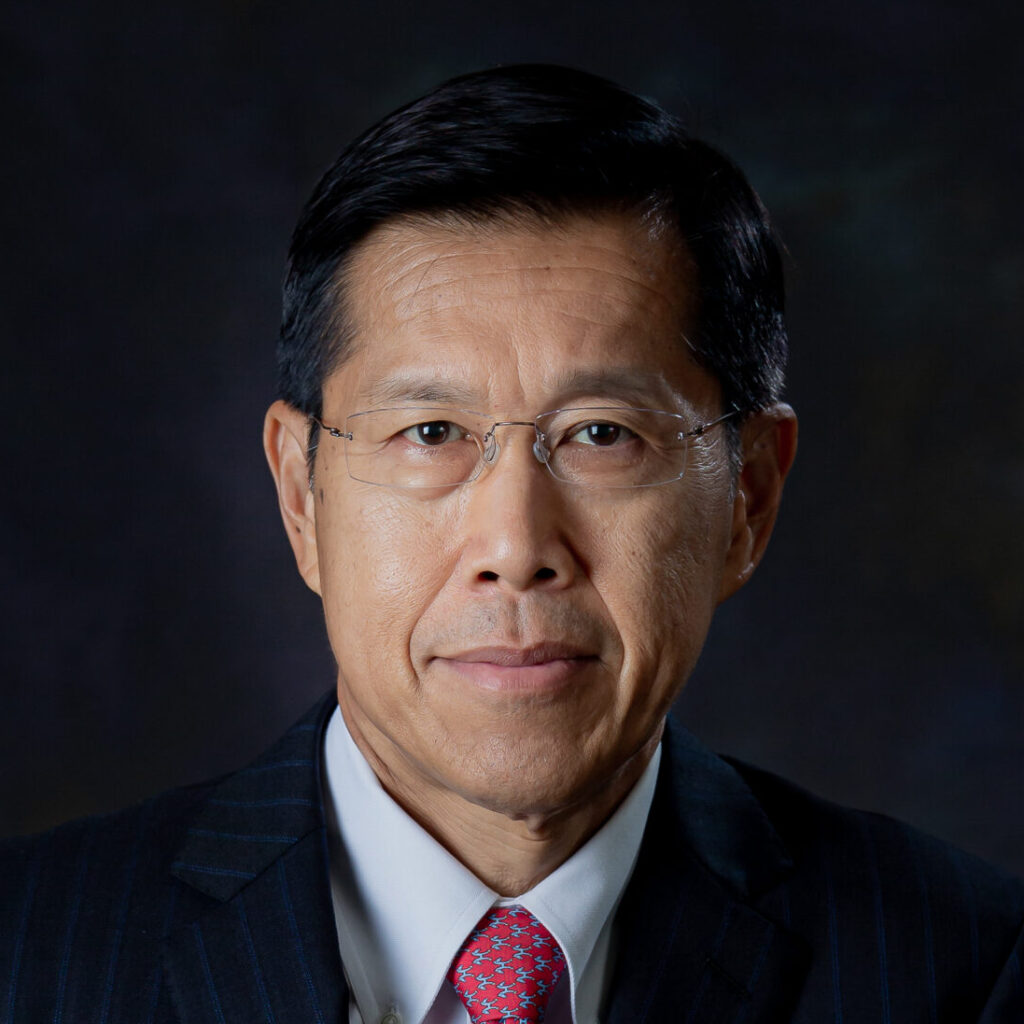
Mr. Phongthep THEPKANJANA
Former Deputy Prime Minister of Thailand
The Honorable Mr. Phongthep Thepkanjana is a distinguished Thai politician and legal expert who has served as Deputy Prime Minister, demonstrating his significant leadership in the Thai government. He has extensive experience in judiciary, government, and legislative roles.
He holds an LL.B. (Hons) from Thammasat University, is a Barrister at Law of the Thai Bar, and has earned two master’s degrees in Comparative Law from George Washington University, focusing on foreign and American legal practices.
Throughout his career, Phongthep has served as a judge in various provincial courts, acting judge in the Research Division of the Supreme Court, and held the position of Chief Judge attached to the Ministry and Deputy Secretary-General of the Office of Judicial Affairs. He has been an arbitrator since 1998 and has contributed to Thailand’s legal development as a member of the 1997 Constitution Drafting Assembly. In the political arena, he has served as a member of the House of Representatives, Government Chief Whip, and Policy Advisor to the Prime Minister. He has held several ministerial positions, including Minister of Justice, Minister of Energy, Minister attached to the Prime Minister’s Office, and Minister of Education. Additionally, he served as Deputy Spokesman for the Office of the Prime Minister.
Commentator:
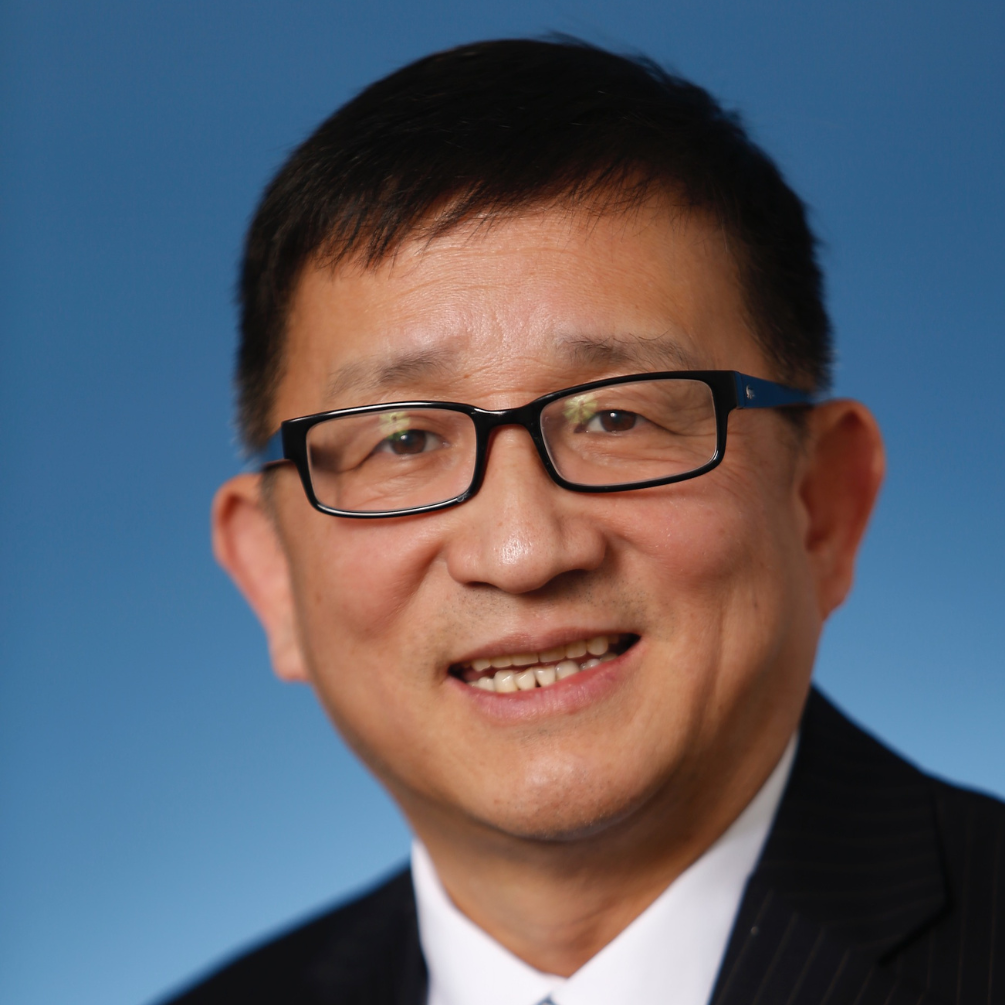
Professor Cheng LI
Professor, School of Governance and Policy; Founding Director, Centre on Contemporary China and the World, The University of Hong Kong
Li Cheng is professor of political science in the School of Governance and Policy and founding director of the Centre on Contemporary China and the World (CCCW) at the University of Hong Kong. Professor Li’s research areas include the transformation of political leaders, the Chinese middle class, technological development in China, and Sino-U.S. relations. Li is the author and editor of 197 books, including “China-U.S. Relations: Converging Visions in a Shifting Global Landscape,” “Middle Class Shanghai: Reshaping U.S.-China Engagement,” “The Power of Ideas: The Rising Influence of Thinkers and Think Tanks in China,” and “Chinese Politics in the Xi Jinping Era.” Prior to joining HKU, Li served as director and senior fellow at the Brookings Institution’s John L. Thornton China Center and director of the National Committee on U.S.-China Relations. He is currently a Distinguished Fellow of the Munk School of Global Affairs and Public Policy at University of Toronto, a nonresident fellow at Yale University’s Paul Tsai China Center, a scholar in residence at Asia Society Hong Kong, and a member of the Council on Foreign Relations. Li received an M.A. in Asian Studies from the University of California at Berkeley and a Ph.D. in Political Science from Princeton University.
Moderator:
Professor Kenneth WONG
Director and Kerry Group Professor in Public Policy, School of Governance and Policy
The University of Hong Kong
Professor Kenneth Wong is the Director of the School of Governance and Policy and The Kerry Group Professor in Public Policy at the University of Hong Kong. Previously, he was the Walter and Leonore Annenberg Professor of Education Policy, Professor of Political Science, and Professor of International and Public Affairs at Brown University, USA. He also taught at the University of Chicago and Vanderbilt University. He serves as a non-resident Senior Fellow in Governance Studies at the Brookings Institution, Washington DC. He is an elected fellow of the National Academy of Public Administration in the U.S.
Professor Wong has conducted extensive research in public policy, intergovernmental relations, and education governance. His research has received support from the National Science Foundation, the Institute of Education Sciences, the Bloomberg Philanthropies, British Council, Japan Society for the Promotion of Science, and several foundations. He has authored or co-authored several books, including The Education Mayor: Improving America’s Schools. His co-authored book on the administrative presidency and federalism in the U.S. won the outstanding book award of the National Academy of Public Administration. He is currently editor of a research handbook on education policy and federalism across the globe.
