News
31
October 2025
HKU co-hosts GBA-ASEAN Conference on Trade, Finance & Sustainable Development
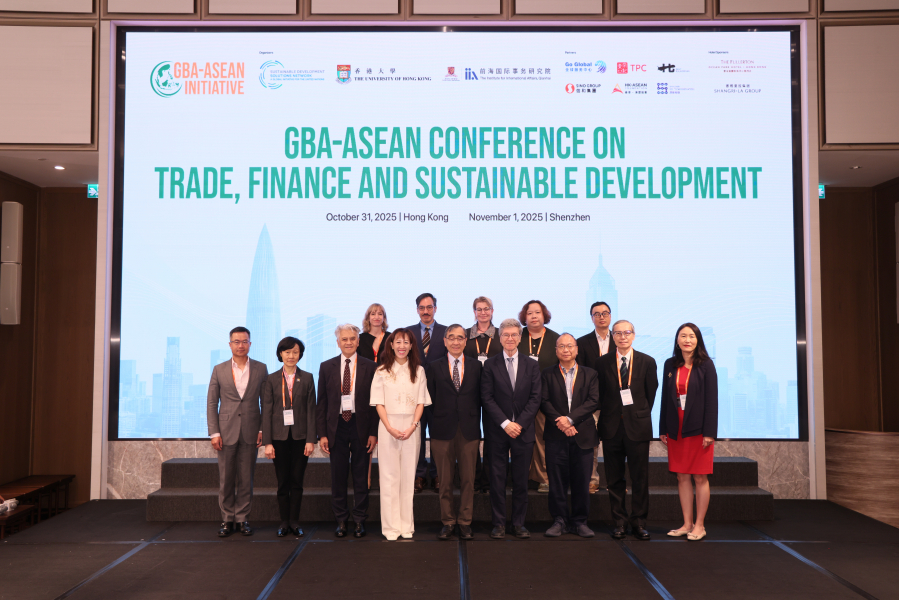
The University of Hong Kong (HKU) joined the Sustainable Development Solutions Network (SDSN) and the Institute for International Affairs Qianhai of the Chinese University of Hong Kong in co-hosting the GBA-ASEAN Conference on Trade, Finance & Sustainable Development across Hong Kong and Shenzhen on 31 October and 1 November.
The Hong Kong opening ceremony featured addresses by Professor Xiang Zhang, President and Vice-Chancellor of HKU; Mr Joseph Chan, Under Secretary for Financial Services and the Treasury; Mr Chavalit Frederick Tsao, Chairman of Tsao Pao Chee (TPC) Group; and Professor Jeffrey Sachs, University Professor of Columbia University and President of SDSN. Dr Kao Kim Hourn, Secretary-General of ASEAN, delivered an opening speech via video.
In his opening remarks, Professor Xiang Zhang highlighted Asia’s role in fostering connectivity amid global uncertainty, “We meet at a time of rising global uncertainty—yet here in Asia, we are building bridges. Through initiatives like RCEP [Regional Comprehensive Economic Partnership] and the Belt and Road, China and ASEAN are shaping a new era of connectivity.” Professor Zhang positioned HKU as both participant and catalyst in this transformation, highlighting the University's unique position as East-West connector.
Mr Joseph Chan emphasised the importance of leveraging Hong Kong’s strengths to foster deeper regional ties, stating, “Let’s make this conference a catalyst for transformative collaboration between the Greater Bay Area (GBA) and ASEAN. By harnessing Hong Kong’s strength in financial services, and ASEAN’s growth momentum, we can forge resilient, sustainable pathways that benefit our economies, our people, and our planet.”
Dr Kao Kim Hourn deep-dived into the GBA’s strategic role as a global innovation and connectivity hub, noting, “The GBA has emerged as a dynamic hub of innovation, finance, and connectivity, with its deepening ties to ASEAN demonstrating how regional partnerships can drive sustainable growth and build resilience in our interconnected world.” Dr Kao further expressed his hope that the conference would mark the beginning of sustained cooperation.
Mr Chavalit Frederick Tsao pointed to sustainability and shared prosperity as unifying goals, stating that we face a common challenge in sustainability and a shared aspiration for well-being and happiness. Mr Tsao stressed that this reality calls for collaboration rather than competition.
Professor Jeffrey Sachs underscored the GBA’s global leadership, remarking, “The GBA cluster is rated number one in the whole world, in terms of innovation, scientific innovation, university leadership, patenting, advanced technology production—it is extraordinary, it’s a remarkable accomplishment, it’s also a remarkable responsibility for a world that needs these advances.”
The first-day programme in Hong Kong examined sustainable development through four thematic panels. The concluding session, "Human Capital as the Engine for Economic Growth, Sustainability, Peace, and Cross-National Collaboration," proved particularly significant. Moderated by Professor Kenneth Wong, Director of HKU's newly established School of Governance and Policy, the session was joined by Professor Richard Wong, Provost and Deputy Vice-Chancellor of HKU and other scholars in Hong Kong and across Asia. The discussion accentuated the role and importance of higher education institutions in forging stronger partnerships between the GBA and ASEAN countries. “In the future, Asia is likely the place of rapid economic growth. Universities in Hong Kong and ASEAN countries are positioned well to create shared prosperity and peace through more proactive collaboration,” said Professor Wong.
The second-day programme in Shenzhen focuses on technology and innovation’s role in regional cooperation. Panels will address AI governance, regional business integration, and sustaining global connectivity, featuring experts from the United Nations, BYD, Global Energy Interconnection Development and Cooperation Organisation, and other leading institutions.
The conference showed SDSN's ongoing partnerships with HKU and other Asian institutions, while emphasising the need for global engagement with the region's development solutions. Such collaborations position HKU at the forefront of addressing both regional and global challenges through academic excellence and policy innovation.
Learn More
In The Media
04
January 2026
Commentary on “The Highest Exam: How the Gaokao Shapes China.”
Economists are keen on specifying causal inference in their public policy research, while paying relatively less attention to translating their rigorous statistical analysis for the broader audience. To my pleasant surprise, The Highest Exam – How the Gaokao Shapes China does not contain equations, numeric symbols, or data tables. Drawing on their own rigorous economic analysis on diTerent aspects of the Gaokao examination and providing contextually rich narratives based on lived experience in China, the authors persuasively connect the institution of Gaokao to China’s rise in economic success and its stable political order since the Cultural Revolution. Gaokao, as the book summarizes on p.7, is the “final match” of “a centralized, hierarchical tournament” that shapes every aspect of social and economic life of a young person and his/her sons and daughters well into the future. According to the authors, the institution of Gaokao has received broad public endorsement and any governmental attempts to alter the examination system could risk political instability. In establishing the social and political functions of Gaokao, this book adds to the literature on the relationship between public governance of education and civil society. In countries around the globe, the public education system is often called upon to address major national challenges. As this book suggests, Gaokao has earned public trust, aligned with the belief in fairness, and oTered transparency and objectivity that fosters social mobility for many in China. Political stability is tied to the merit-based examination system historically and in today’s China. Similarly, in the U.S., public education system has played a prominent role in shaping and reshaping international competition and social and racial equity, including governmental investment in science and technology, the 1954 U.S.Supreme Court’s decision on Brown vs Board of Education to racially desegregate public schools, the War on Poverty in the 1960s, and the recent U.S. Supreme Court decision to dismantle race-based admissions in universities. In Australia, Brazil, and Malaysia, among others, reform in university admissions has broadened access across income, regional, and racial/ethnic groups. Historically, education reform has fostered nation building in many European countries. This well-argued book has generated opportunities for future research and policy development in the institution of Gaokao. First, we may revisit the dominant image of a tightly controlled, centralized examination system. While Gaokao assumes a centralized design, it allows for variations in policy and implementation. For example, test items are diTerent across provinces and provincial cities, so that comparison of test scores across jurisdictions is not feasible. Universities also set their own admissions quota between local and non-local students, as well as across diFFerent academic disciplines. This institutional mix of centralized direction and decentralized implementation could open opportunities to leverage changes to address social and economic needs. Second, the authors clearly articulate how Gaokao, with its transparent, objective metric, addresses long-held public concern of corruption and abusive use of personal connection in gaming governmental benefits, including university admissions. Just as important to underscore is that the centralized system of Gaokao has the capacity to address key policy challenges. The book mentions that the “four modernizations” launched by Deng Xiaoping featured STEM education to accelerate China’s advancement in science and technology. Today, the Chinese leadership could leverage its centralized direction to address inequality between rural and urban communities as well as wealth disparity, among others. In this regard, Gaokao and higher education will need supportive partners. The central leadership will need to continue to forge cross-sector collaboration among the government, non-profit organizations, and private companies to align incentives structures with policy aims. Third, the authors highlight cross-generational transmission of social norms and behaviors that are shaped by the result-oriented nature of Gaokao. Clearly, these norms and behaviors have brought tangible and intangible rewards, such as university placement,employment, economic mobility, social recognition and respect, and self-actualization. As the authors observed, these behaviors are “extremely rational” (p. 9) and that families of test-takers are willing to accept the outcome of the exam. At the same time, the Gaokao-driven norms could hinder individual aspirations. Future research may explore diTerent career pathways among young adults a few years after their Gaokao. For example, how often do dancers, painters, violinists, cartoonists, journalists,and comedians, among others, decide to delay or give up entirely their initial career aspirations due to the high stakes testing system? At issue is the extent to which China maintains a diversified structure of careers and professions that pertains to all aspects of human affairs. Finally, as the book observes, Gaokao both “influences and mirrors” the society in China (p. 87). Gaokao is clearly a prevailing institution in China’s civil society. At the same time, it interacts with Hukou, another long-standing policy and social structure. In the Hukou system, an individual at birth is assigned social status and economic opportunity that are tied to one’s birthplace. A lesson learned from the book is that Gaokao and Hukou have become interlocking, interdependent parts of China’s social, economic, and political system. This interplay begs a research question - is it possible to diTerentiate and specify the relative influence of each of these two dominant institutions? Their interdependency is clearly complicated. Future research could explore the constraints that Hukou places on Gaokao in addressing equity issues. At the same, one can further examine the advantages and disadvantages that Gaokao oTers to Hukou, such as merit-based allocation of a limited number of seats in elite universities and the distribution of college-educated workforce across provinces. Clearly, this well-written book has generated important issues in policy design and institutional research.
Learn More
14
July 2025
Li Cheng and Andy Browne Discuss What Trump Gets Wrong about China and Where Next for Ties
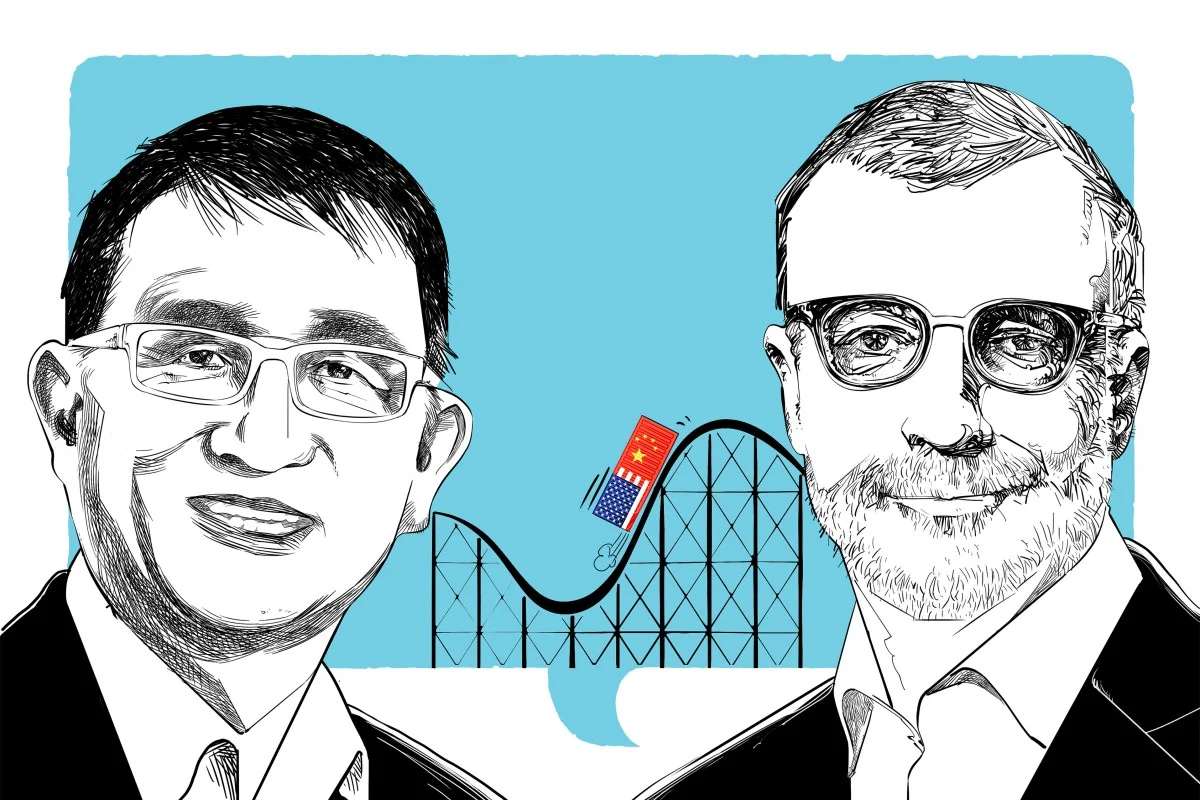
CCCW Director Li Cheng, in an interview for the South China Morning Post alongside award-winning journalist Andrew Browne, discusses the consequential relationship between the world’s two largest economies and how ties might develop under the second Donald Trump administration amid growing trade frictions.
Learn More
24
June 2025
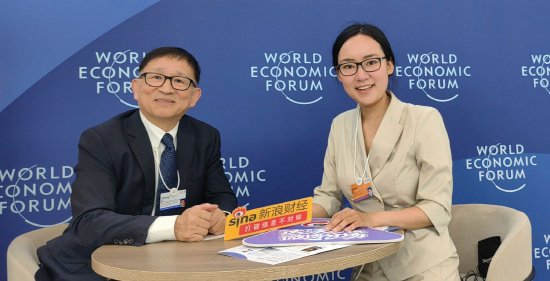
专访李成:当硅谷在美国仅一枝独秀,中国“科技城市群”正在改写创新版图
6月24日至26日,世界经济论坛第十六届新领军者年会在天津举行。本届论坛以“新时代企业家精神”为主题,围绕“解读全球经济”“中国展望”“剧变中的产业”“投资人类与地球”“新能源与材料”这五大方向展开深入探讨。
CCCW创始主任李成今日接受《新浪财经》专访,围绕中美关系、科技创新等展开深入交流。访谈实录可点击下方按钮查看。
Learn More
24
February 2025
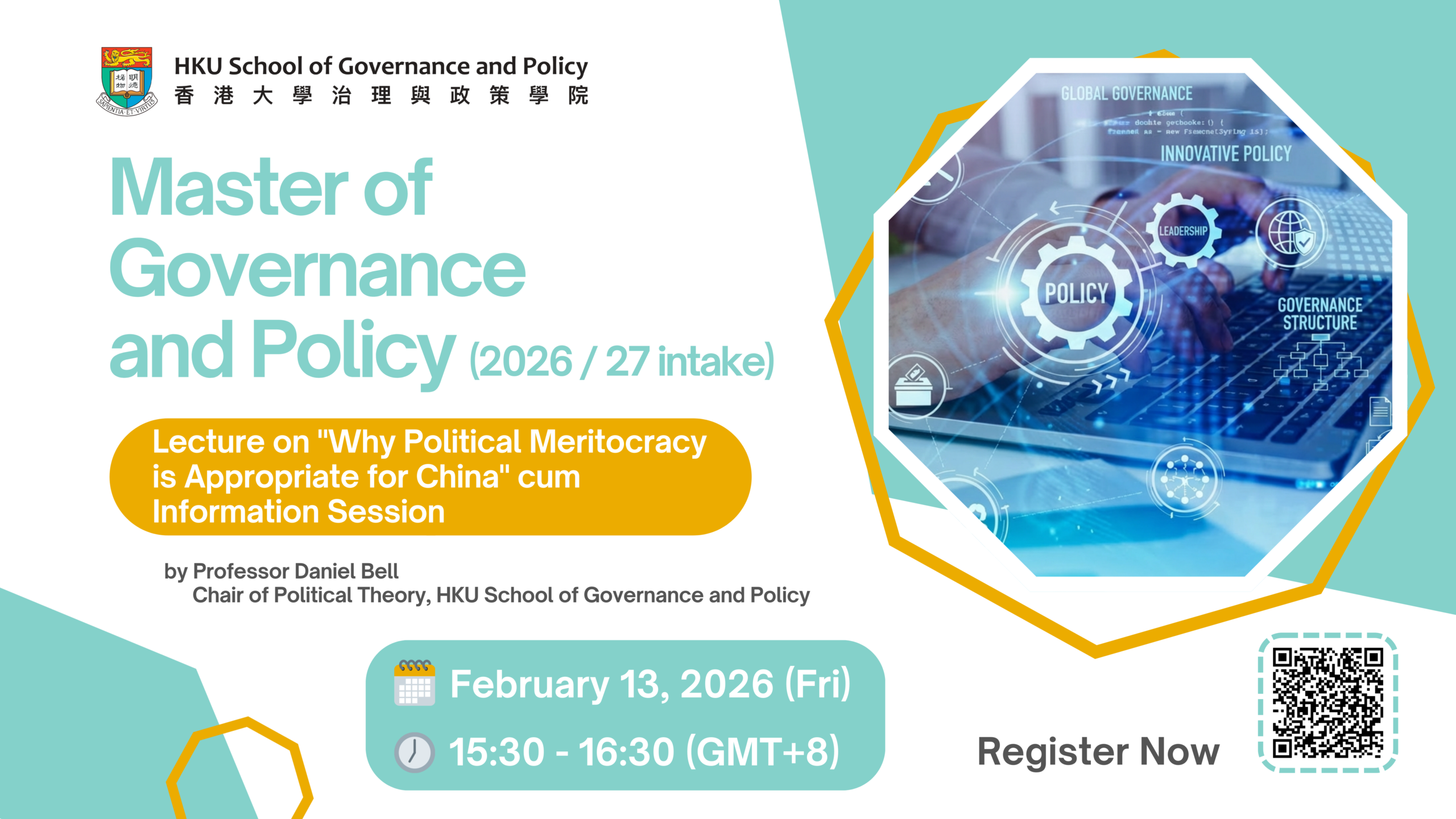
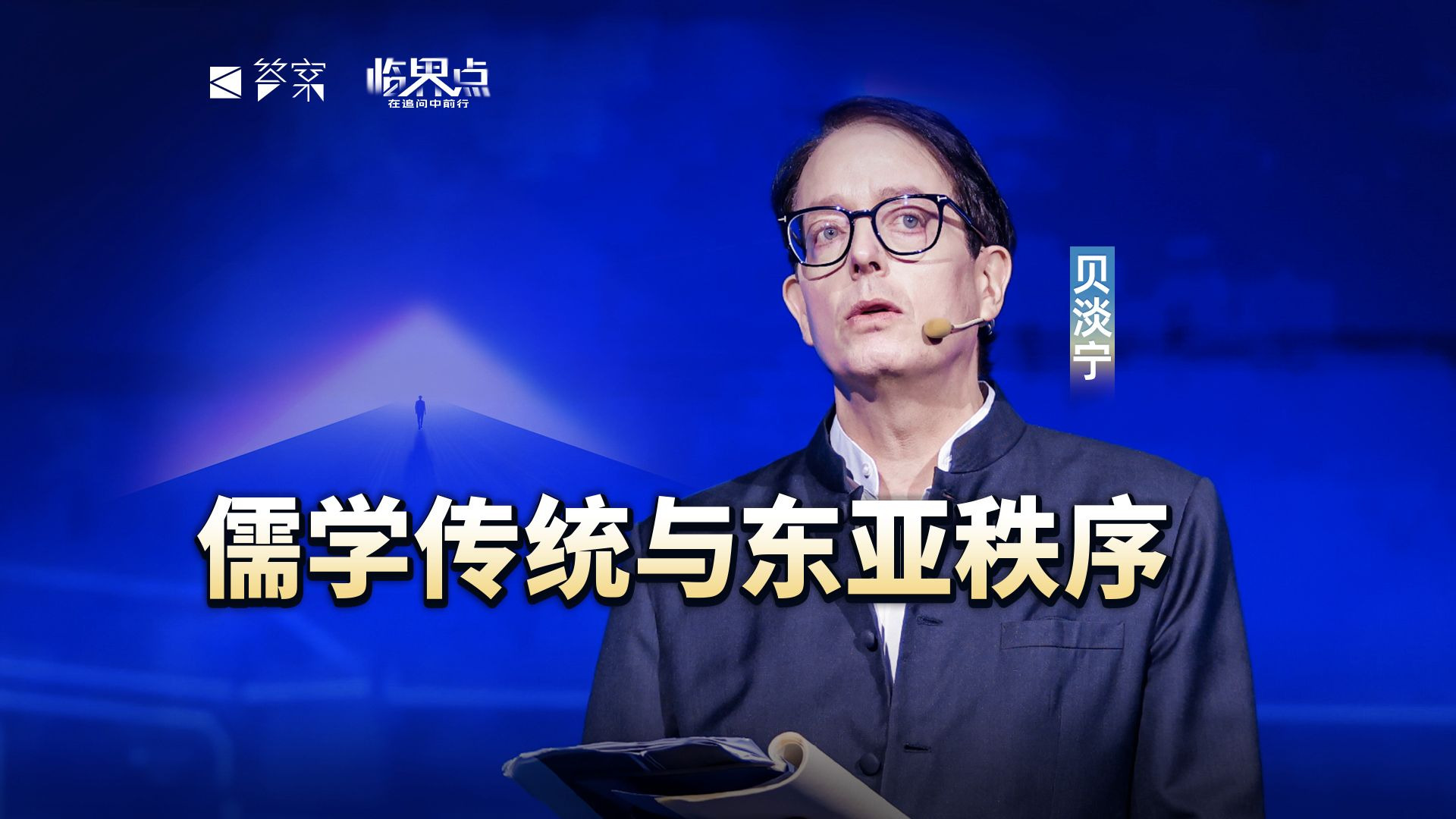
Political theorist Daniel A. Bell reflects on China’s melding of Confucius and Marx
Daniel A. Bell, a Canadian political theorist specialising in Confucianism and China’s political meritocracy, is chair of political theory at the University of Hong Kong’s law faculty. He was the first foreigner to be appointed as dean of Shandong University’s school of political science and public administration, and also taught at Beijing’s Tsinghua University. In this interview, Bell shares his views on the links between the ruling Communist Party’s guiding philosophy and Confucianism, as well as the fight against corruption and his outlook for the future of Chinese politics.
Learn More
25
October 2024
Sinologist Li Cheng: ‘America is not in the mood to study China’
CCCW Director Li Cheng discusses the breakdown of US-Sino relations, what Xi Jinping’s fourth term might hold — and why neither Harris nor Trump makes him hopeful of change, in an exclusive interview with the Financial Times’ Edward White.
Learn More